I Tried Explaining Money with simple Drawings.

I Tried Explaining Money with simple Drawings.
I Tried Explaining Money with simple Drawings.
12 Small Lessons about saving .
Before we start, let me say this clearly:
This is not an article about becoming rich.
It’s about becoming less anxious.
Most of us weren’t taught how to deal with money.
We were just thrown into the world and told to “figure it out”.
So if saving money feels hard, inconsistent, or emotional —
you’re not broken. You’re normal.
This is a soft guide.
Twelve small ideas.
1. Don’t wait to feel “ready” to save
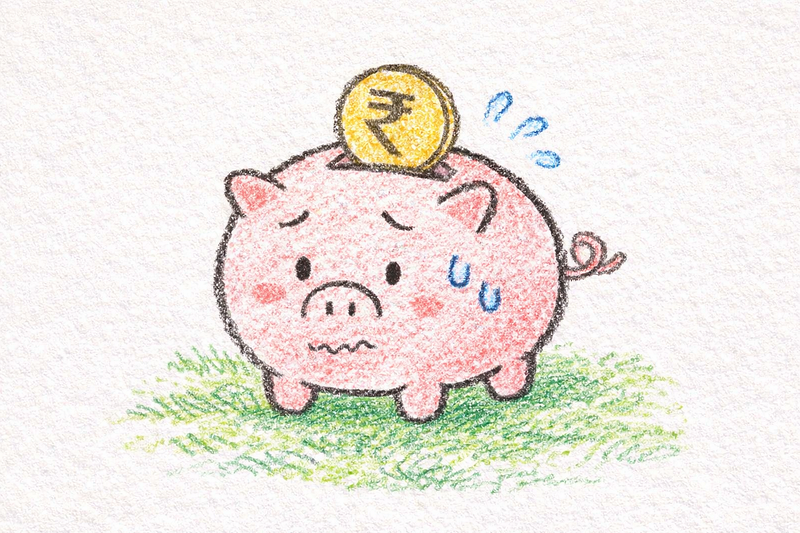
No one ever feels ready.
You start saving when you’re scared, confused, and unsure.
that’s how everyone does it.
Even $1 saved while panicking is still saving.
2. Save first, not what’s left
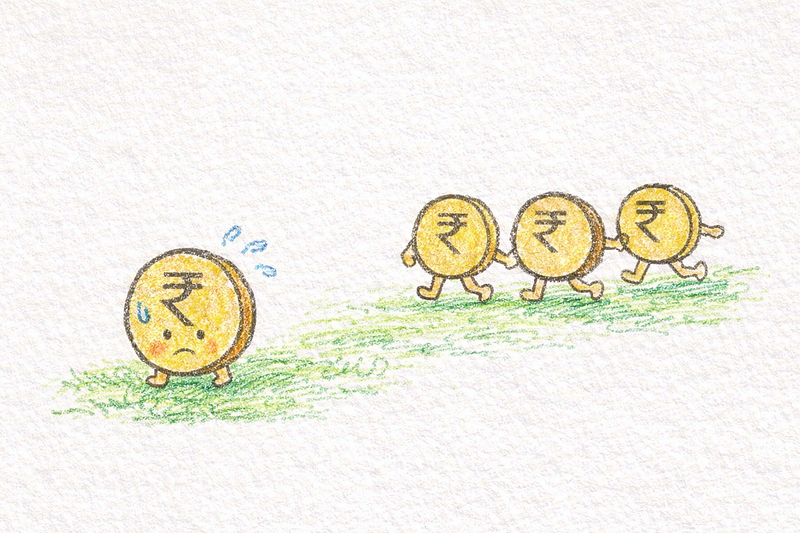
What’s “left” usually disappears.
Rent happens.
Food happens.
Impulse happens.
Saving only works when you do it first, even if it’s small.
3. Your spending is often about feelings, not needs
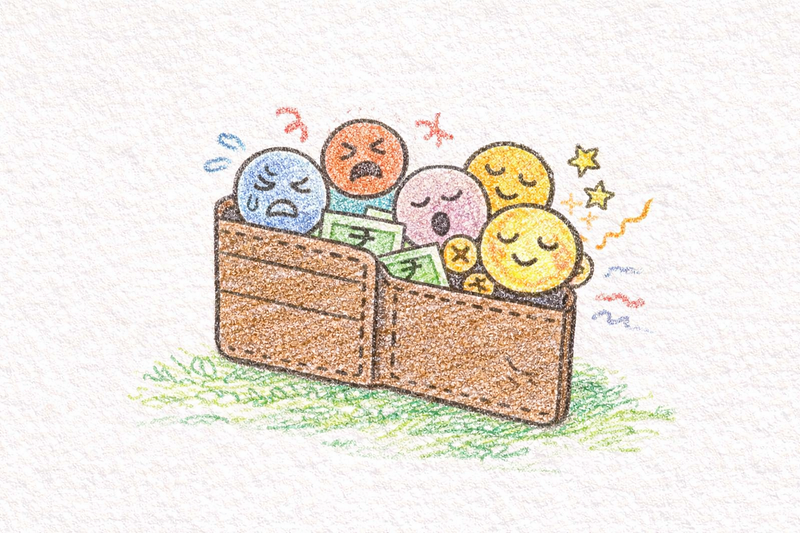
Most impulse spending isn’t about wanting things.
It’s about:
- stress
- boredom
- loneliness
- reward
Before buying, ask:
“Am I buying this, or am I trying to feel something?”
4. One savings account is enough
You don’t need five apps and twelve folders.
One savings account you trust is enough to start.
Complex systems come later. Peace comes first.
5. Emergency money is mental health money

Savings aren’t about future luxury.
They’re about:
- sleeping better
- saying no
- not panicking
Emergency money doesn’t make you rich.
It makes you calm.
6. Lifestyle upgrades feel good, then feel heavy

Every upgrade comes with maintenance.
Bigger room → bigger bills
Better phone → more anxiety
More subscriptions → less clarity
Upgrade slowly. Your nervous system needs time too.
7. No one is keeping score (even if it feels like it)

You don’t need to match your friends’ spending.
Most people are:
- pretending
- borrowing
- stressed
You’re not behind. You’re just honest.
8. Make saving visible
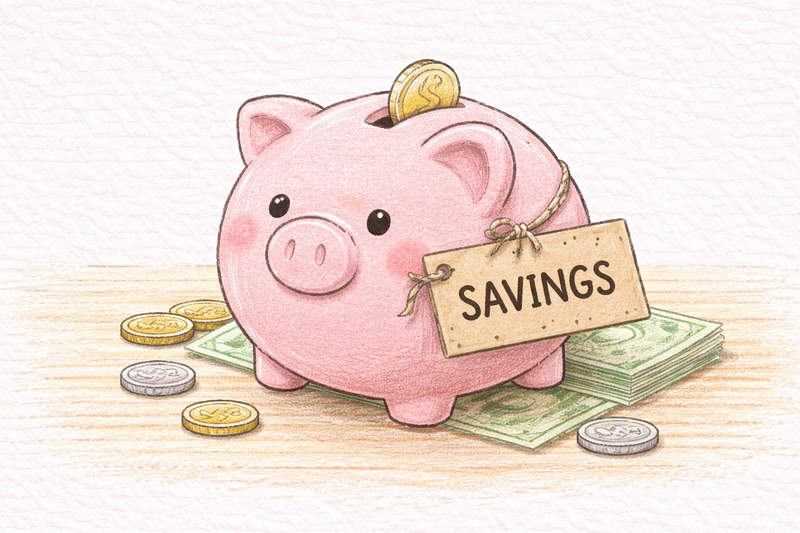
If you can’t see it, it won’t feel real.
Rename your savings account:
- “Future Me”
- “Freedom”
- “Peace Fund”
Money behaves better when it has a name.
9. Delete saved card details
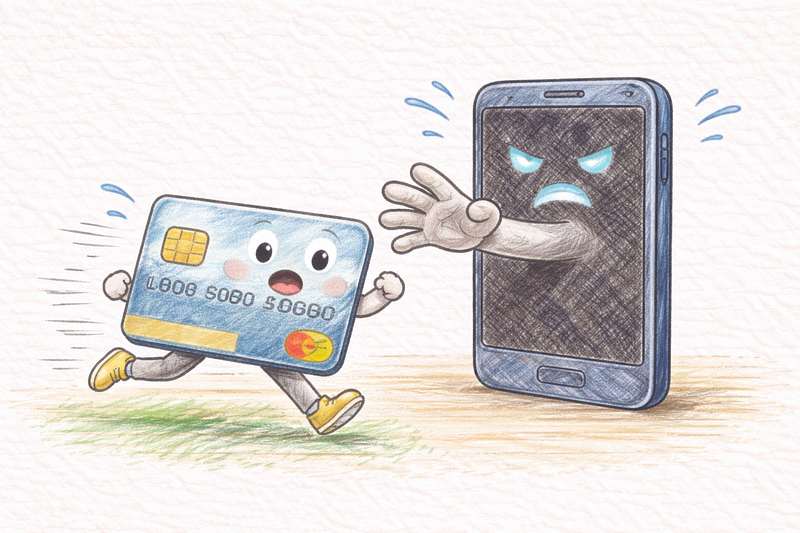
This one sounds silly, but it works.
One extra step between you and spending
is sometimes all you need.
Friction is underrated.
10. One no-spend day a week is powerful
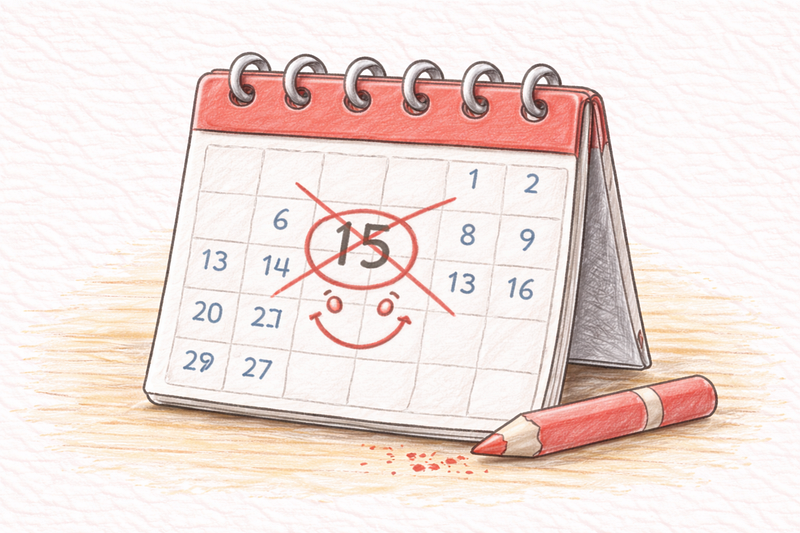
Not forever. Just one day.
It teaches you:
- restraint
- creativity
- awareness
And it reminds you that you don’t always need to buy something.
11. You’re allowed to enjoy your money
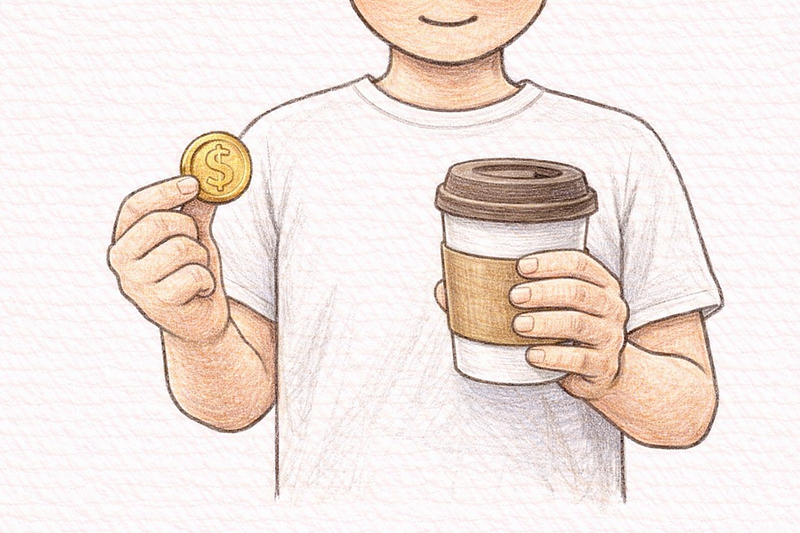
Saving doesn’t mean punishment.
If you hate your life while saving, you won’t last.
Leave space for joy —
just don’t let joy become escape.
12. Saving is not about money — it’s about trust
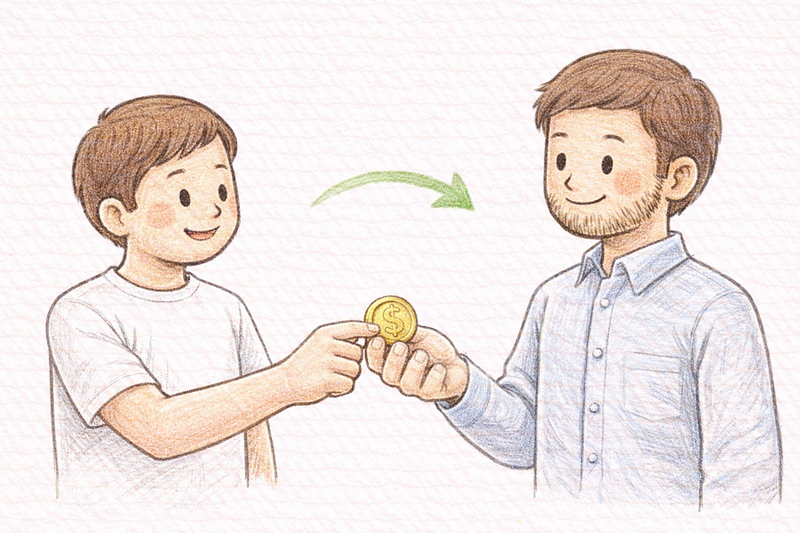
Saving money is really about this question:
“Do I trust my future self enough to care for them today?”
Every small save is an act of self-respect.
You don’t need to fix everything at once.
You don’t need to be perfect with money.
Just be a little kinder to your future self than yesterday.
That’s enough to start.
