A Book That Changed How I Think About Small Things

A Book That Changed How I Think About Small Things
A Book That Changed How I Think About Small Things
Notes on habits, explained simply
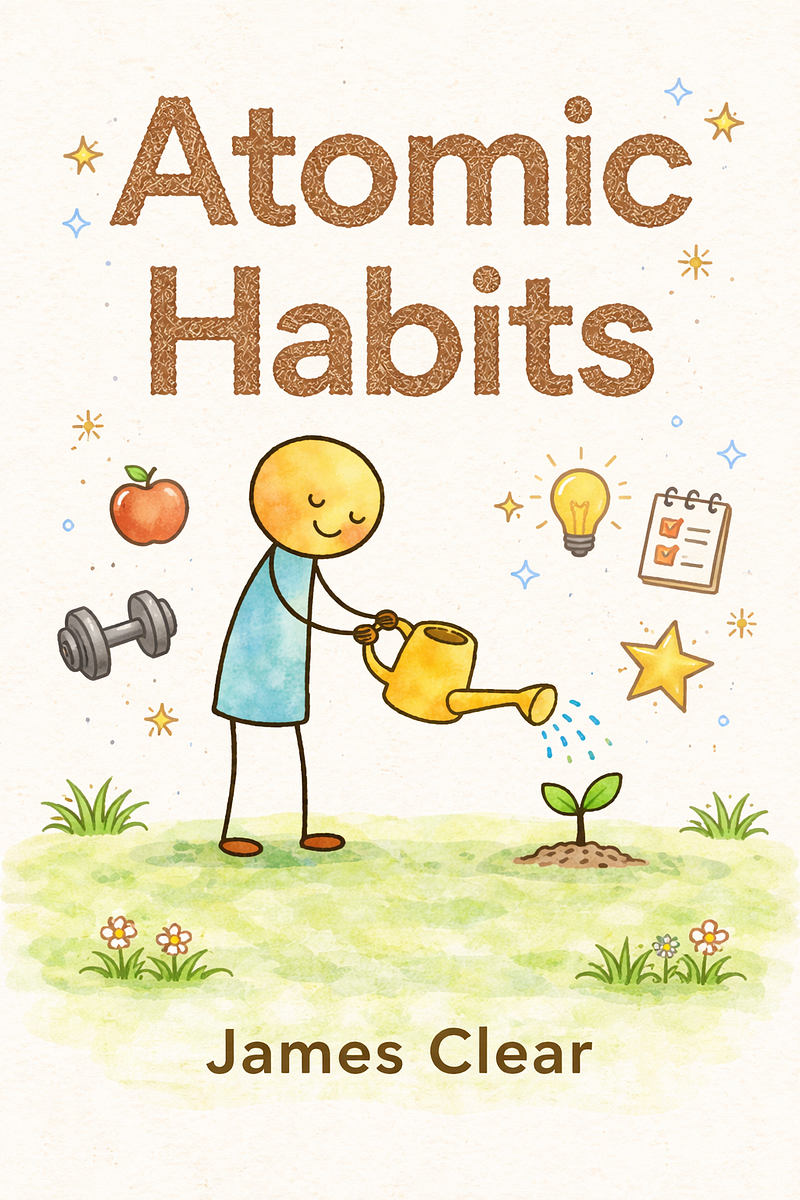
Most of us think change should feel dramatic.
A big decision.
A strong motivation.
A perfect Monday.
But real change rarely announces itself.
It arrives quietly.
So quietly that we often ignore it.
What if the smallest things you do every day
are doing far more than you think?
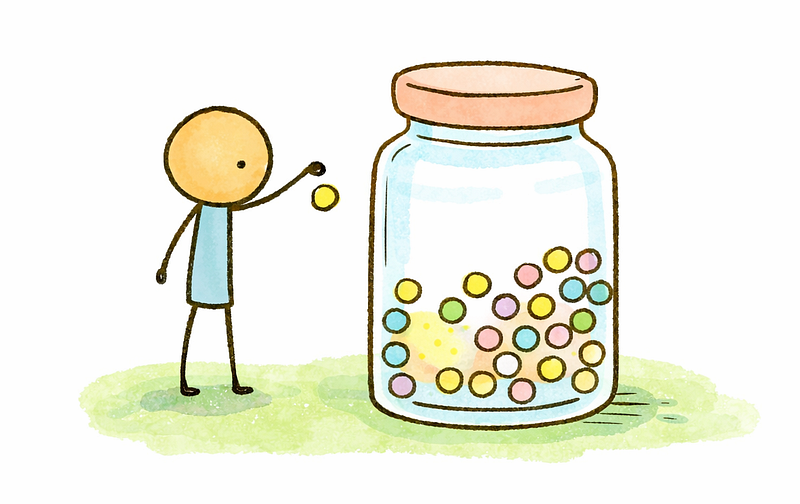
The idea that changed everything
Imagine getting just 1% better every day.
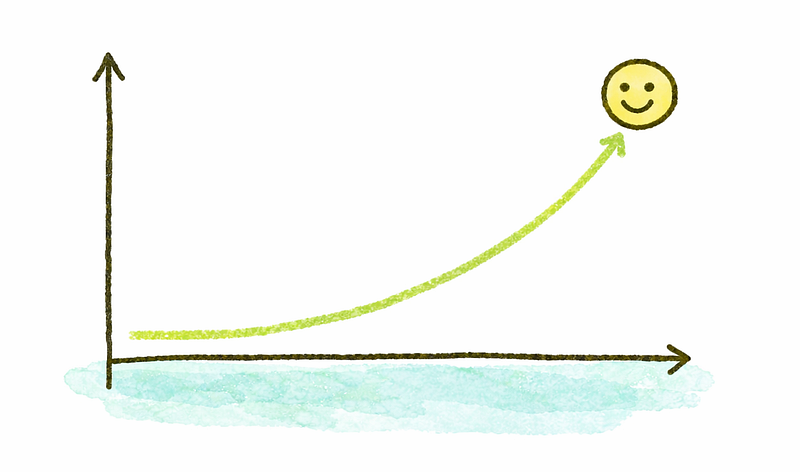
Not visible today.
Not impressive this week.
But powerful over time.
Small actions don’t feel important.
That’s why they work.
We focus on goals, but live inside systems
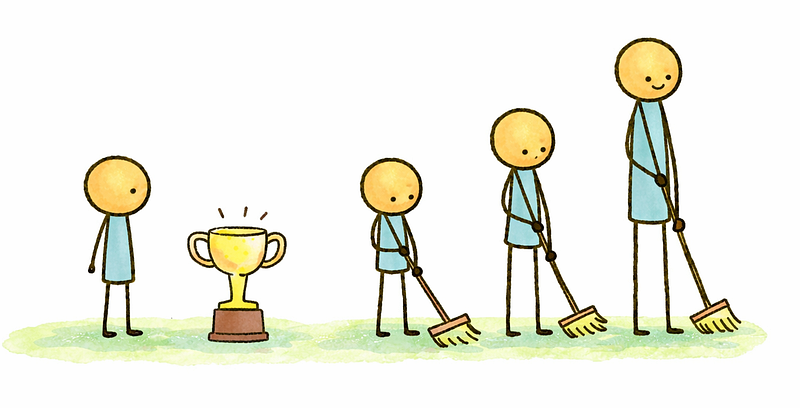
Goals feel exciting.
Systems feel boring.
But goals decide direction.
Systems decide outcome.
If nothing changes in how you live each day,
no goal will save you.
What really drives habits
Every habit follows the same quiet loop:
You notice something.
You want something.
You do something.
You feel something.
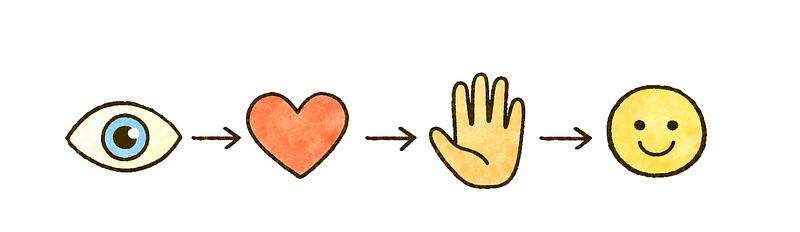
That’s it.
No motivation magic.
Just repetition.
If you want to change a habit, don’t fight yourself
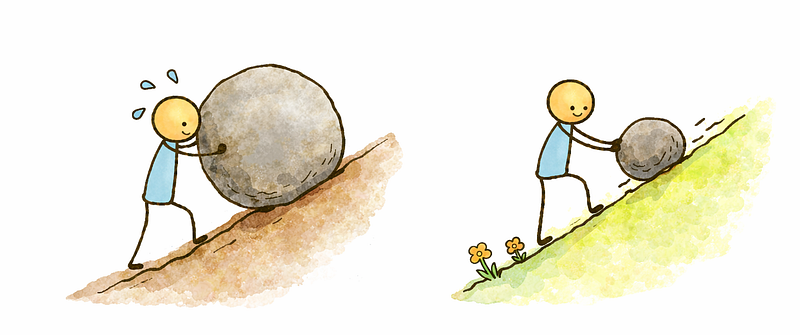
Most people try to change habits by force.
They try harder.
They shame themselves.
They wait for motivation.
But habits don’t respond to force.
They respond to design.
Make it obvious
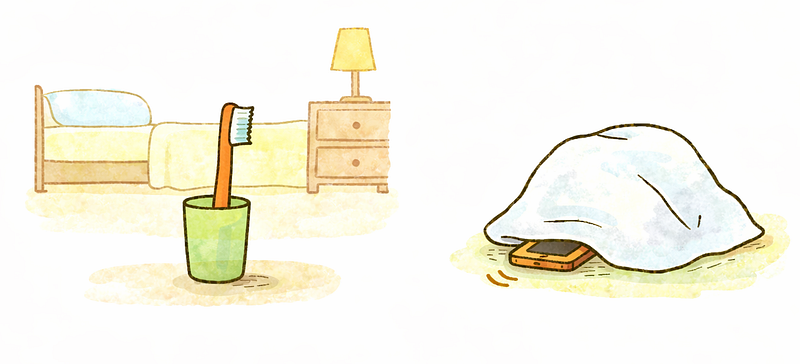
If you can’t see it, you won’t do it.
Good habits need visibility.
Bad habits thrive in hiding.
Make it attractive
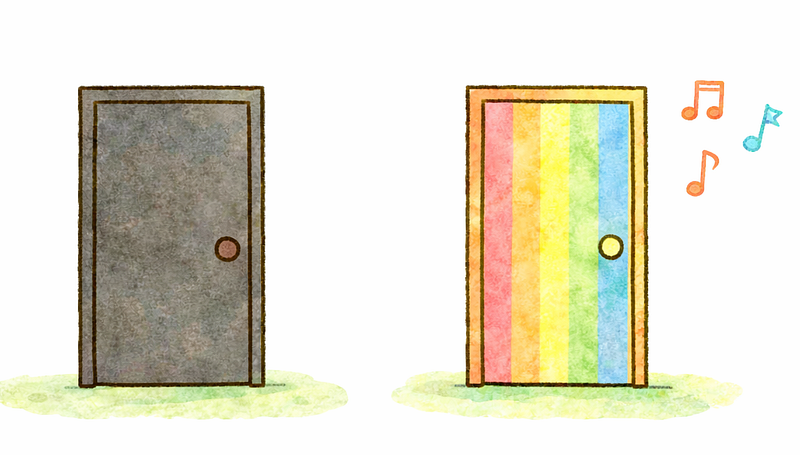
We repeat what feels good.
If a habit feels dull, it dies.
If it feels rewarding, it stays.
You don’t need discipline.
You need appeal.
Make it easy
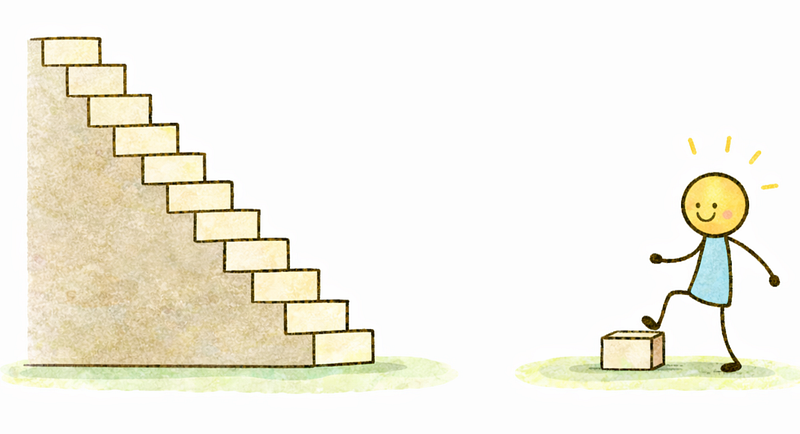
The most powerful habits are the smallest ones.
Start so small that it feels silly.
Two minutes.
One page.
One step.
Make it satisfying
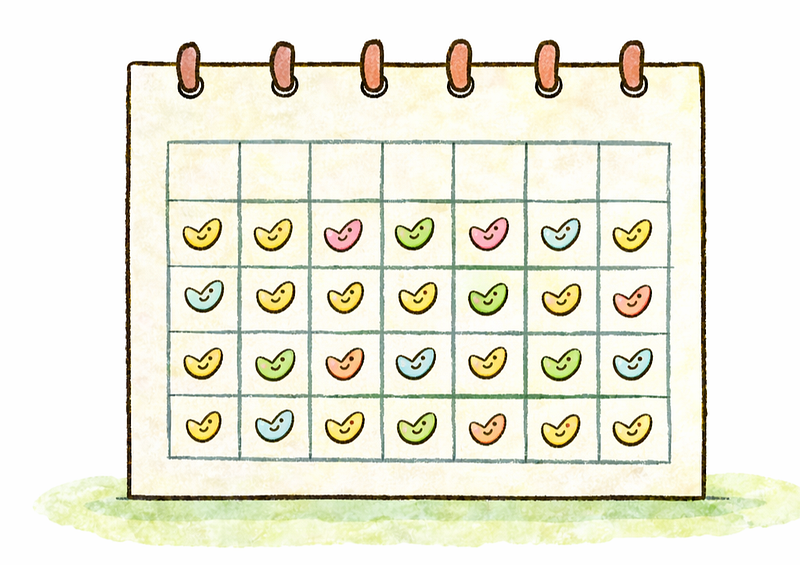
We repeat what gives immediate feedback.
That’s why bad habits stick so well
they reward instantly.
Good habits need visible wins.
Change identity, not just behavior
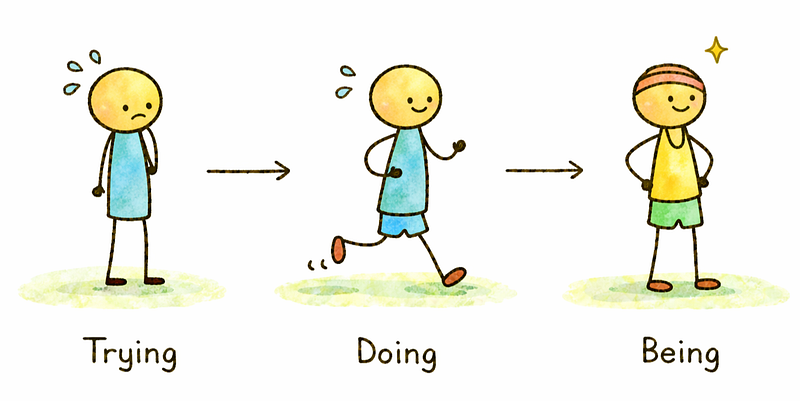
The deepest shift is not what you do
it’s who you believe you are.
“I’m trying to read”
vs
“I’m a reader”
Habits are votes for the person you’re becoming.
Progress is invisible before it’s obvious
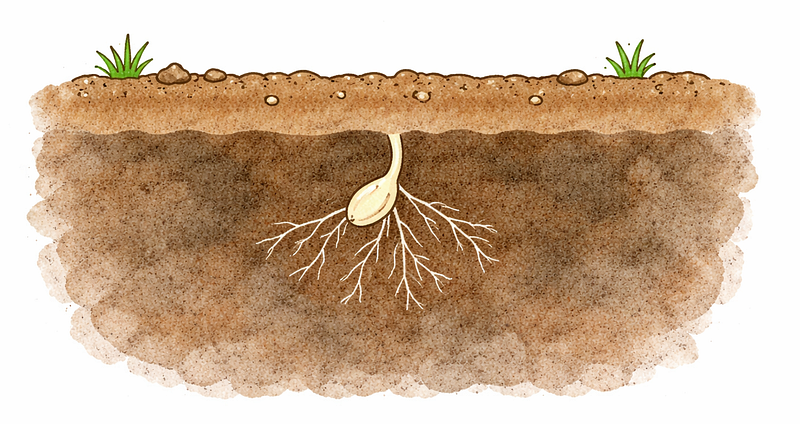
Most people quit too early.
Not because nothing is happening
but because they can’t see it yet.
Growth hides before it shows.
Breaking bad habits works the same way
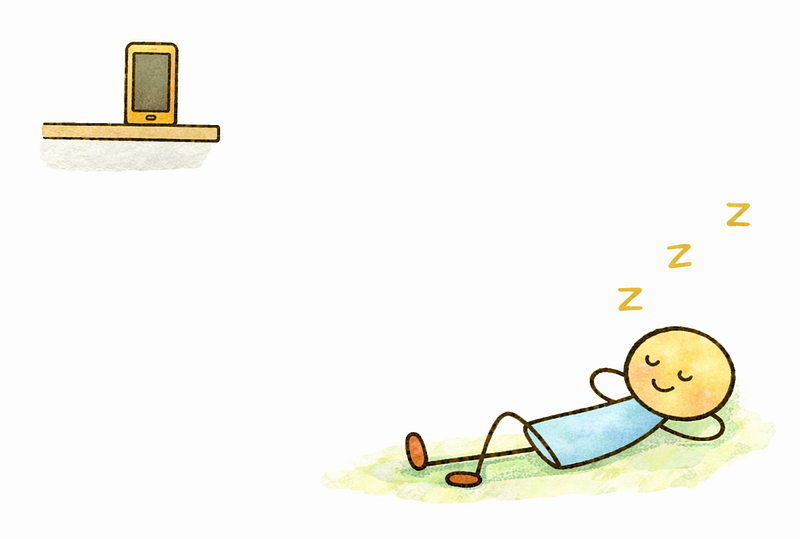
Don’t fight temptation.
Make it harder to reach.
Distance is powerful.
Now, the book behind these ideas
All of these ideas come from one book —
Atomic Habits by James Clear.
But the power of the book isn’t the rules.
It’s the patience it teaches.
It reminds you that:
You don’t rise to goals.
You fall to systems.
You don’t need a new life.
You need a slightly better day
repeated.
Small things.
Done gently.
Over time.
