What Happens in Your Body When You Stop Snacking

What Happens in Your Body When You Stop Snacking
What Happens in Your Body When You Stop Snacking
Not a rule. Just a reset.
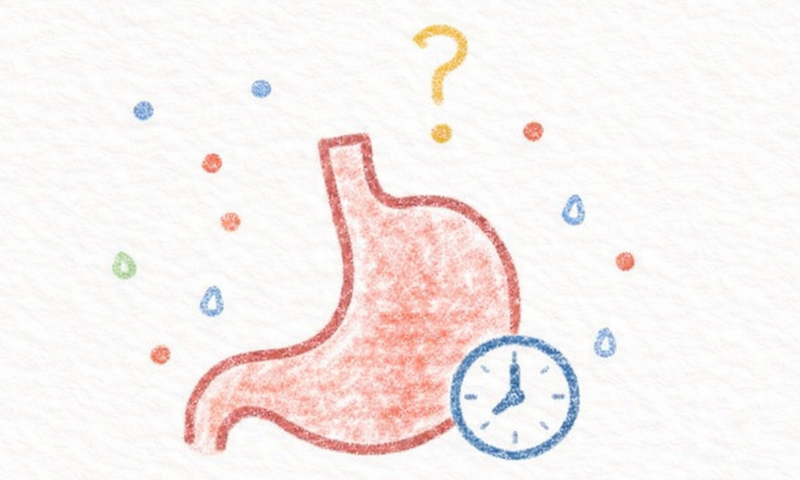
If you’ve ever tried to stop snacking, you’ve probably felt this:
A little discomfort.
A little restlessness.
A voice saying, “Something’s off.”
So you assume:
“I need snacks.”
“My metabolism needs it.”
“I’ll lose energy without it.”
But let’s slow this down.
No discipline talk. No willpower talk.
Just what’s actually happening inside your body.
First, what snacking really does
Snacking isn’t bad.
It’s not unhealthy by default.
It’s not a failure.
But frequent snacking does one simple thing:
It keeps your body constantly busy digesting.
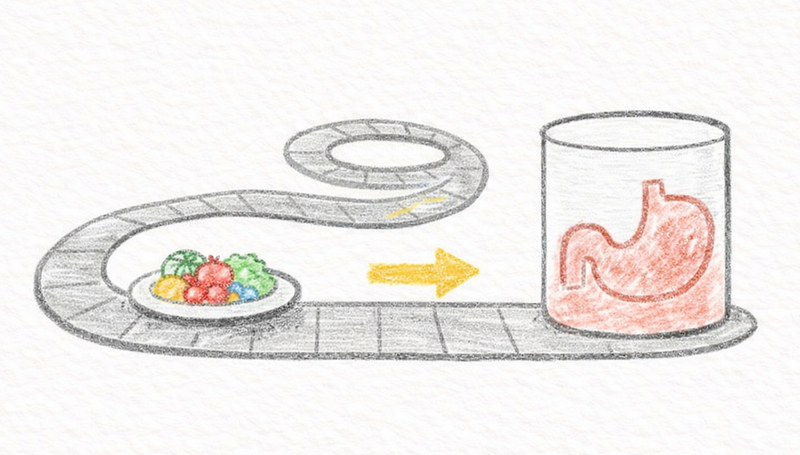
Every time you eat:
- blood sugar rises
- insulin is released
- digestion starts again
When this happens all day,
your body never really finishes one cycle
before starting the next.
What changes when you stop snacking (early on)
At first, it can feel uncomfortable.
That’s not danger.
That’s adjustment.
Here’s why:
Your body is used to quick energy top-ups.
When those pauses disappear,
your system has to switch gears.
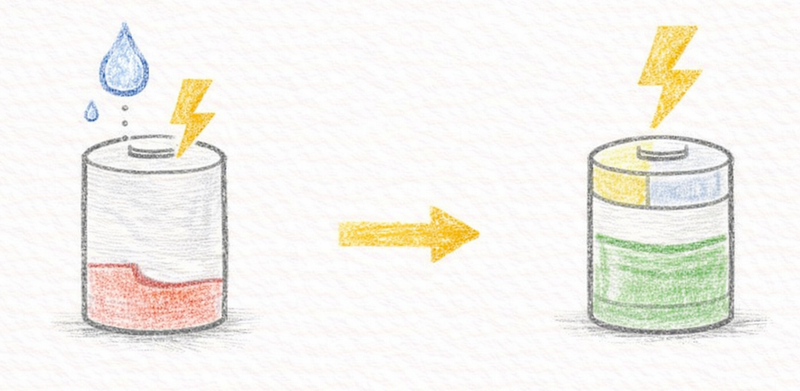
This can feel like:
- mild hunger
- boredom mistaken for hunger
- a dip in energy
This phase is temporary.
It’s your body relearning timing.
Blood sugar becomes more stable
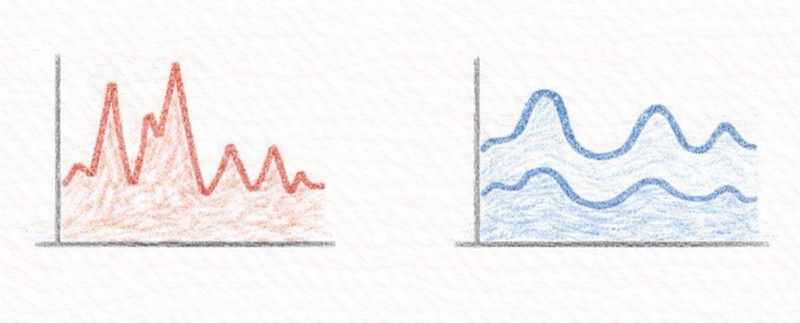
Without constant snacks:
- blood sugar rises less often
- insulin spikes reduce
- crashes happen less frequently
This is why many people notice:
- fewer sudden hunger waves
- less irritability
- steadier energy between meals
Not because snacks were “bad.”
But because fewer swings = calmer signals.
Hunger becomes clearer (not louder)
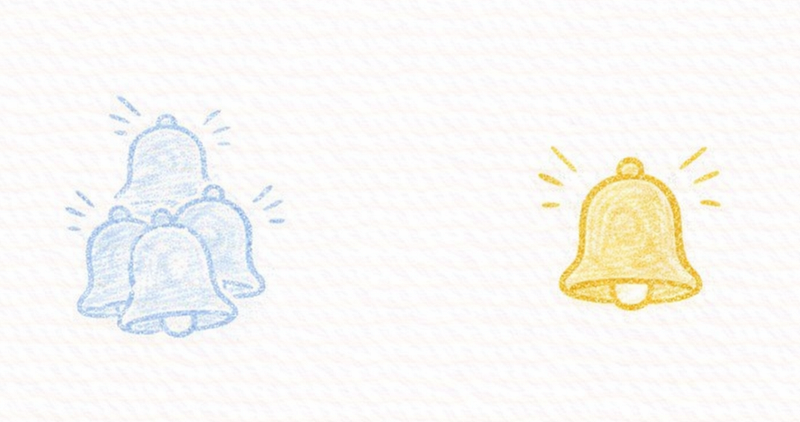
When you snack all the time,
hunger signals overlap.
You don’t know:
- am I actually hungry?
- or just used to eating now?
When snacking stops,
something interesting happens:
Hunger becomes more obvious and more honest.
You feel it:
- closer to meals
- more predictably
- less emotionally
That’s not starvation.
That’s clarity.
Digestion gets real breaks
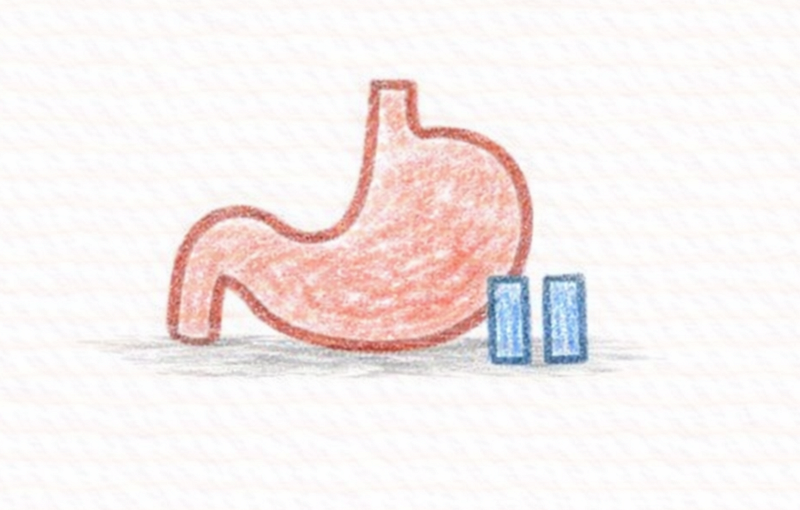
Your digestive system isn’t meant to work nonstop.
When you stop snacking:
- insulin gets time to fall
- digestion completes fully
- the gut gets rest between meals
This can improve:
- bloating
- heaviness
- that “always full” feeling
Not overnight.
Gradually.
Energy stops being borrowed
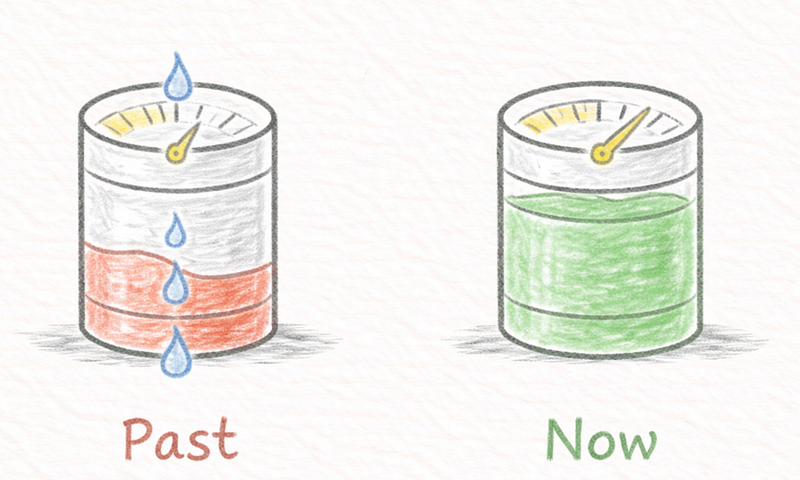
Snacking often creates:
quick energy → quick drop → craving again
Without it:
energy comes more from stored fuel,
not constant intake.
This is why some people say:
“I feel lighter.”
“I’m not thinking about food all day.”
Not because they’re eating less.
But because their body isn’t chasing the next spike.
What does not happen
Let’s be clear.
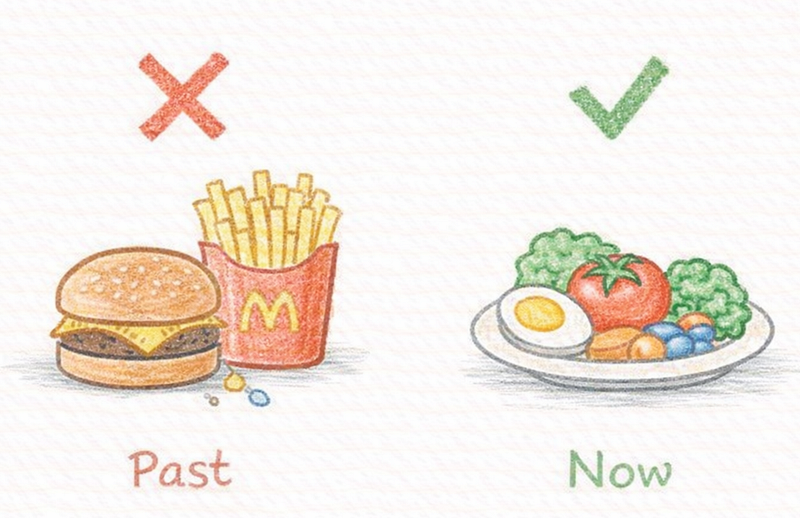
Stopping snacking does not:
- damage metabolism
- slow fat loss magically
- work for everyone
- mean you should ignore hunger
If:
- you’re under-eating
- you train intensely
- you have medical conditions
snacks can be useful.
This isn’t a rule.
It’s a tool.
The real benefit people don’t talk about
The biggest change isn’t physical.
It’s mental.
When you stop snacking:
- food stops interrupting your day
- decisions reduce
- eating becomes intentional again
Meals feel like meals.
Not constant negotiation.
Stopping snacking isn’t about control.
It’s about spacing.
Some bodies feel calmer with fewer eating moments.
Some don’t.
The goal isn’t to force a pattern.
It’s to notice what your body does
when the noise reduces.
And then decide.
If your body feels calmer after reading this,
you can buy me a coffee here ☕
