What Google Can’t Answer About You

What Google Can’t Answer About You
What Google Can’t Answer About You
And that’s why you keep searching
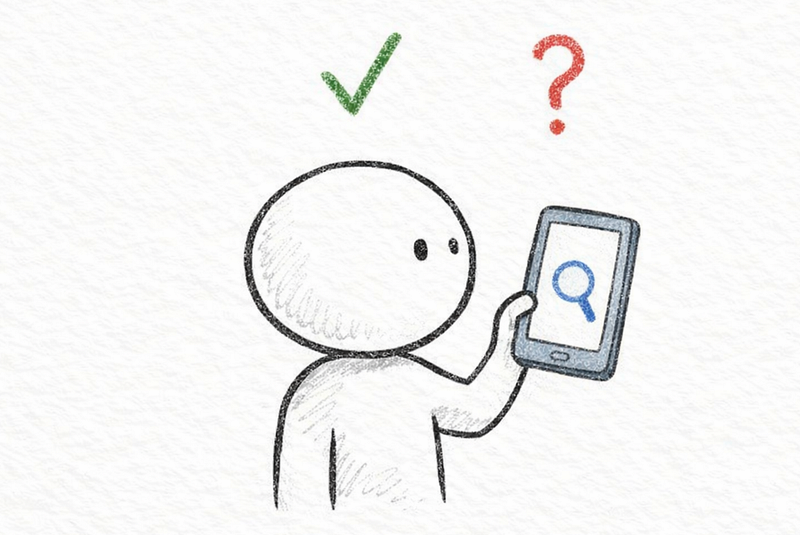
If you’re honest, you’ve done this.
You’ve Googled something
even though you already knew the answer.
Not because you were confused.
But because you wanted to feel sure.
So you searched again.
And again.
Let’s slow this down.
This isn’t about curiosity.
It’s about trust.
What Google is very good at ?
Google is excellent at:
- definitions
- instructions
- comparisons
- lists
It can tell you:
how something works
what people usually do
what options exist
That’s not the problem.
The problem starts when we ask it questions
it was never built to answer.
What Google can’t answer ?

Google doesn’t know:
- your history
- your energy
- your fear
- your timing
It can’t tell you:
- if you’re tired or just avoiding
- if this is anxiety or intuition
- if you need rest or courage
- if “enough” is actually enough
It gives information.
Not judgment.
Not context.
Searching often replaces listening
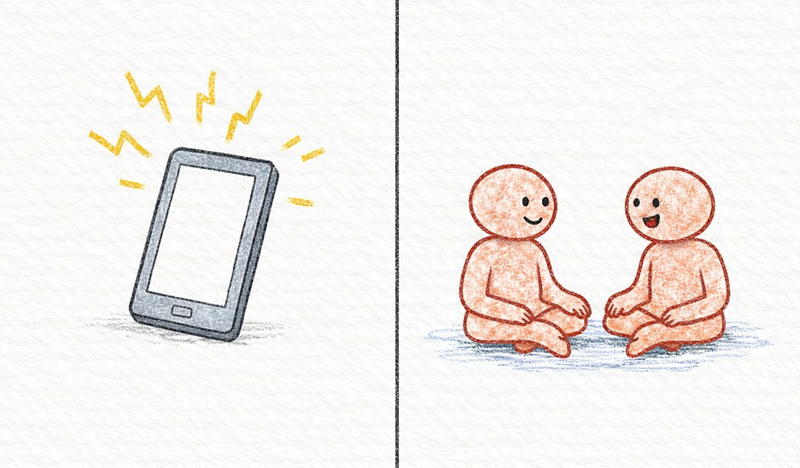
When something feels uncertain, searching feels active.
It feels like:
“I’m doing something about this.”
But often, it delays the thing that actually helps.
Listening.
To your body.
To your hesitation.
To someone who knows you.
The more we search, the quieter those signals become.
Why searching can make decisions harder
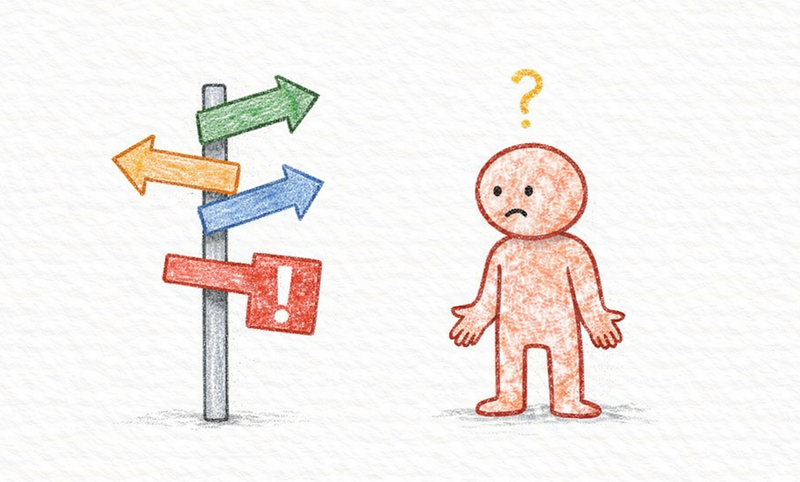
Google gives many answers.
That sounds helpful.
But it often does this instead:
- creates comparison
- introduces worst-case scenarios
- makes simple decisions feel risky
You don’t feel informed.
You feel stuck between options.
More information.
Less clarity.
Why people can answer what Google can’t
People don’t just answer questions.
They notice:
your tone
your repetition
your discomfort
They ask:
“Why are you worried about this?”
“What’s making this hard right now?”
That feedback matters.
Google responds to words.
People respond to you.
This doesn’t mean “stop Googling”
Some questions need facts.
Some need time.
Some need another human.
The mistake isn’t searching.
It’s asking Google to do the work
that only awareness or conversation can do.
A quieter way to use search
Before you Google, pause for one second and ask:
“Am I looking for information
or am I looking for reassurance?”
If it’s reassurance,
searching won’t end the loop.
But noticing the loop already helps.
So do this instead.
Google can answer many things.
But it can’t tell you:
- what you’re ready for
- what you’re avoiding
- what you already know but don’t trust yet
Some answers don’t live online.
They show up when you stop searching
and start listening.
If this article saves your time or cleared your confusion,
you can buy me a coffee here ☕
This story published on “Pen With Paper” — a fresh space where writers bring their thoughts, stories, and ideas to life. Want to share your voice? Join our community, and together, “We Elevate Your Stories”
