Sugar: What It Actually Does to Your Body

Sugar: What It Actually Does to Your Body
Sugar: What It Actually Does to Your Body
What Actually Happens When You Eat Sugar
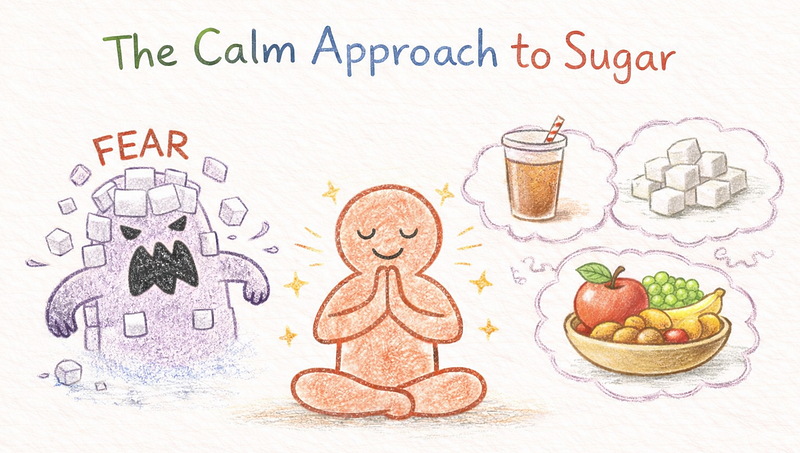
For a long time, sugar scared me.
Not loudly.
Quietly.
Every time I ate something sweet, there was guilt attached to it.
Like I was doing something wrong to my body.
Sugar was always framed as the enemy.
It causes fat.
It causes diabetes.
It ruins health.
But no one really explained how.
Just that it’s bad.
So let’s slow this down and look at what actually happens.
What sugar actually is
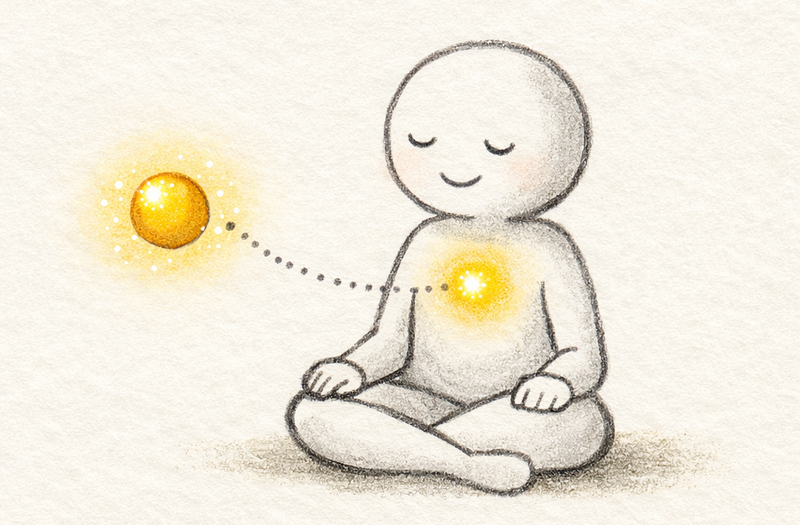
Sugar is not a poison.
Biologically, sugar becomes glucose after digestion.
Glucose is:
- the body’s fastest energy source
- the brain’s preferred fuel
Your blood must contain glucose at all times.
If it drops too low, you lose consciousness.
So sugar itself is not foreign or toxic.
It’s part of normal human metabolism¹.
What happens when you eat sugar
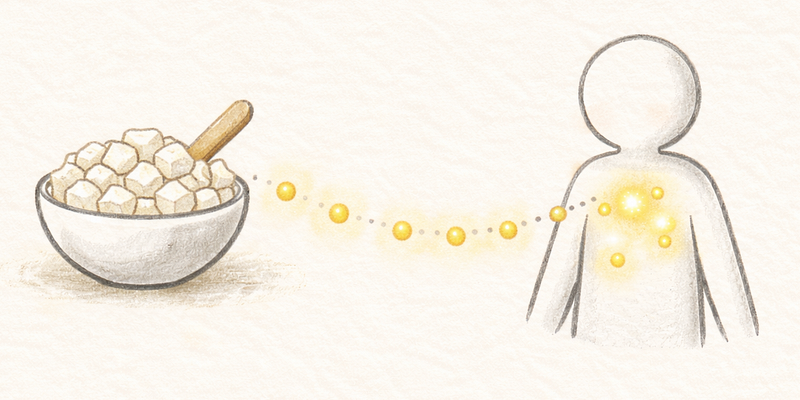
When you eat something sugary, this is what happens:
- Sugar is broken down into glucose
- Blood glucose levels rise
- The pancreas releases insulin
- Insulin moves glucose into cells
- Cells use glucose for energy
This is not damage.
This is normal physiology².
Why insulin is not the villain
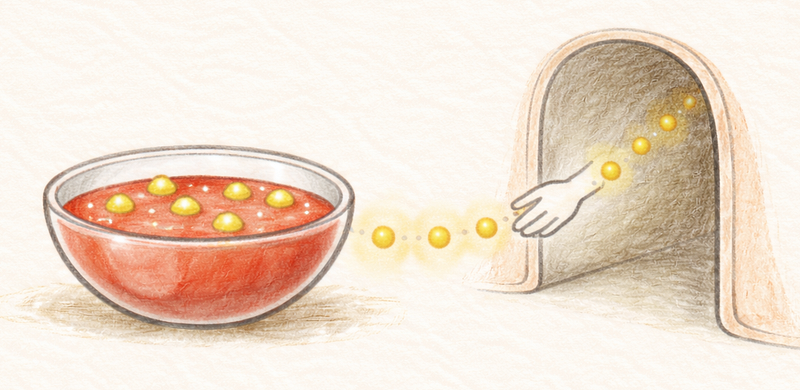
Insulin often gets blamed.
But insulin’s job is simple:
Keep blood sugar in a safe range.
Without insulin:
- blood sugar stays high
- blood vessels get damaged
- organs suffer
This is why people with Type 1 diabetes need insulin to survive.
Insulin is protective, not harmful ³.
When sugar becomes a problem
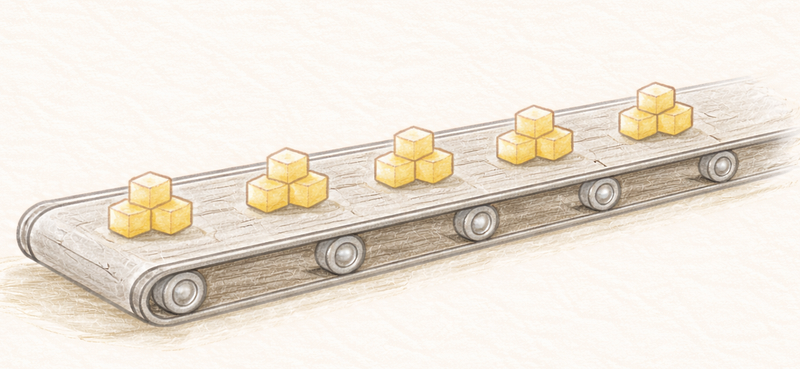
Sugar becomes harmful not because it exists, but because of how often and how fast it enters the bloodstream.
Problems start when:
- sugar is eaten very frequently
- sugar comes without fiber, fat, or protein
- sugar enters the blood very quickly
- this happens day after day
This creates repeated blood sugar spikes.
Blood sugar spikes and crashes
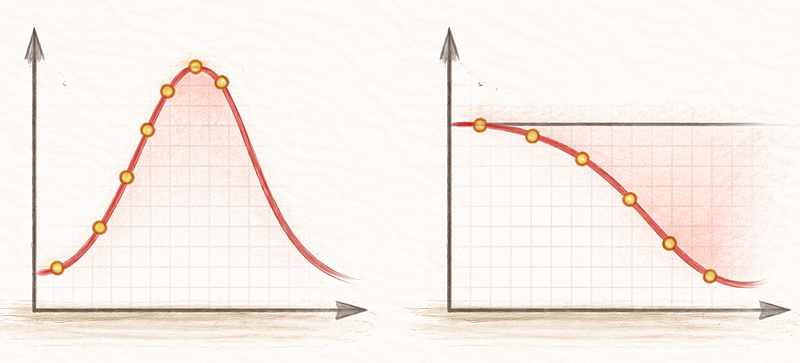
Fast sugar causes:
- rapid blood sugar rise
- strong insulin release
- quick drop in blood sugar
That drop feels like:
- sudden hunger
- fatigue
- irritability
- brain fog
So the body asks for more sugar.
This isn’t addiction.
It’s biology responding to instability⁴.
Why liquid sugar is the worst form
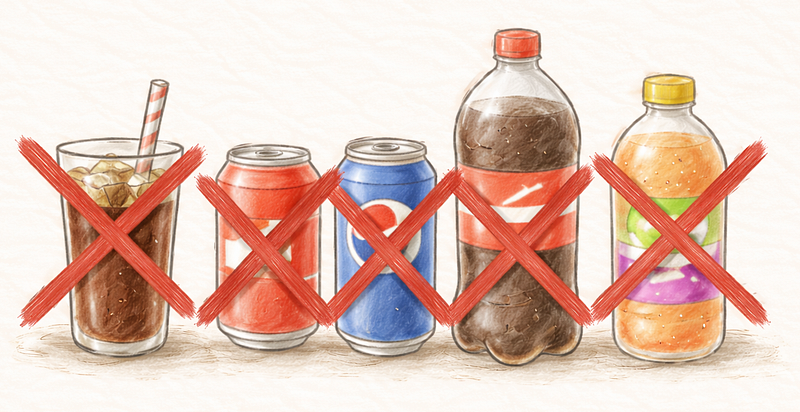
Your body evolved to chew sugar, not drink it.
Liquid sugar (soft drinks, juices, sweetened beverages):
- enters the bloodstream very fast
- bypasses fullness signals
- causes sharp glucose spikes
This is why sugar-sweetened beverages are strongly linked to:
- insulin resistance
- fatty liver disease
- Type 2 diabetes
Not because sugar is evil
but because delivery speed matters⁵.
Why fruit behaves differently
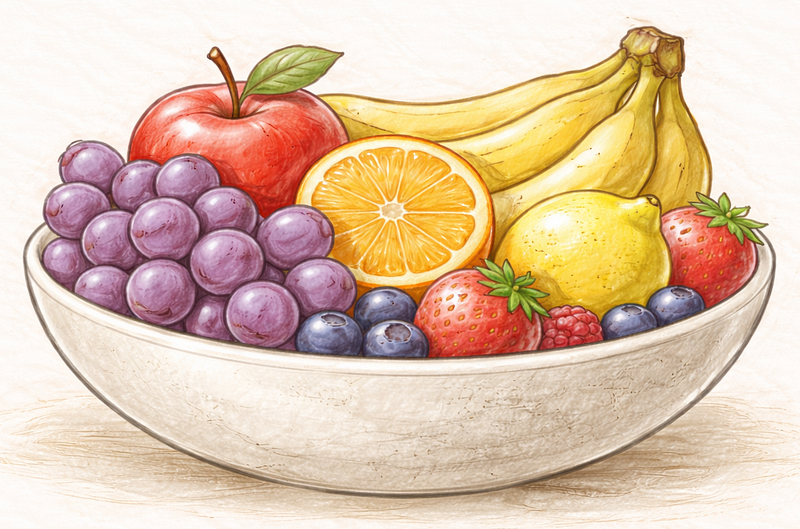
Fruit contains sugar, but it also contains fiber , and fiber changes everything.
Fiber slows how quickly food leaves the stomach and how fast sugar is absorbed in the intestine.
This means glucose enters the bloodstream gradually, not all at once.
Because absorption is slower, blood sugar rises gently and insulin is released in smaller amounts.
There is no sharp spike and no rapid crash.
Fiber also increases fullness. It takes time and effort to eat whole fruit, and the stomach receives volume along with the sugar. This naturally limits intake.
Candy and soda lack fiber.
Their sugar enters the bloodstream very quickly, causes larger spikes, and does little to activate fullness signals.
The sugar molecule is the same.
The delivery speed is not.
That difference is why fruit does not behave like candy or soda.
Same sugar molecule.
Very different effect ⁶.
How excess sugar turns into fat
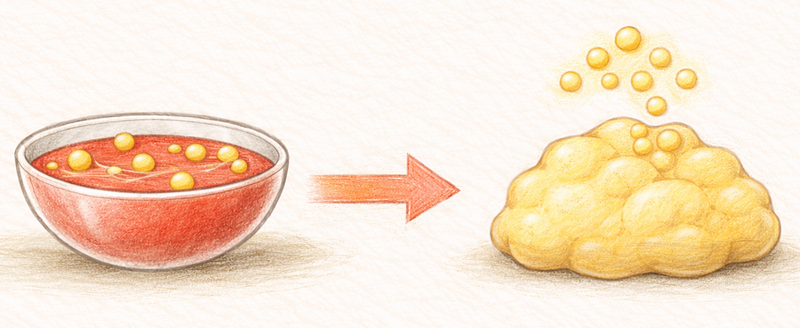
When glucose enters the bloodstream, the body follows a clear order.
First, it uses glucose for immediate energy , especially for the brain and muscles.
If more glucose is available than needed, the body stores it as glycogen in the liver and muscles. This storage is limited.
Only when:
- energy intake stays high
- glycogen stores are already full
does the body convert excess energy into fat.
This process is slow and inefficient. Sugar does not instantly turn into fat.
More importantly, this pathway is not unique to sugar.
Excess energy from fat, carbohydrates, or protein can all be stored as body fat.
Fat gain is driven by chronic energy surplus, not by sugar acting alone.
Sugar does not magically turn into fat.
Overconsumption does⁷.
What insulin resistance really is
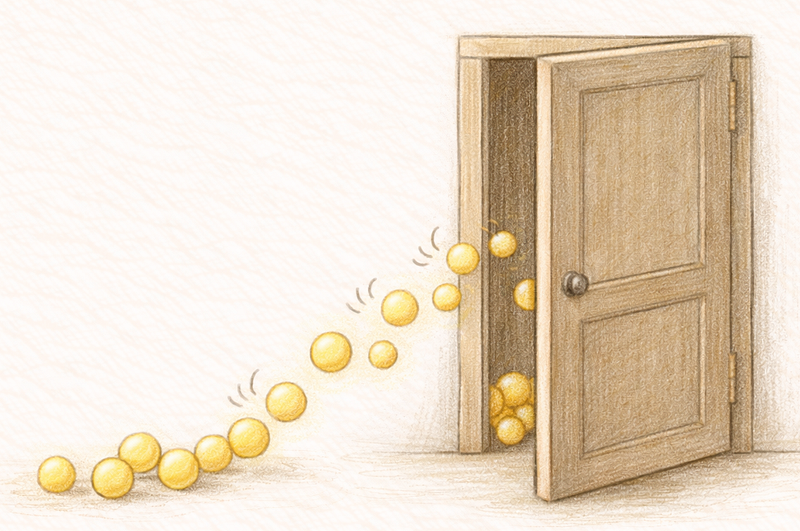
Insulin resistance happens when cells stop responding well to insulin.
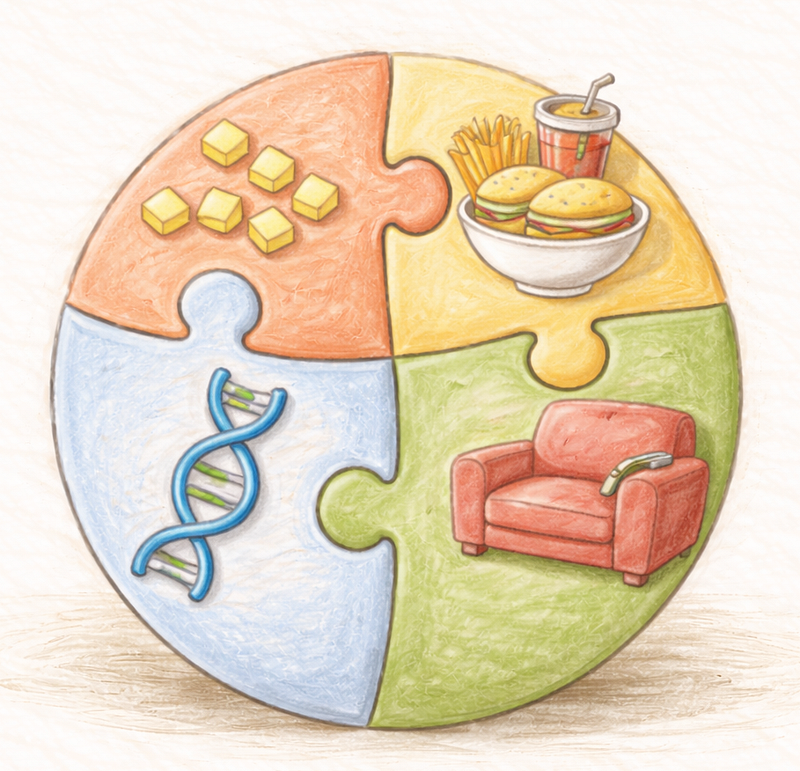
This develops due to:
- constant high insulin levels
- chronic overfeeding
- excess visceral fat
- low physical activity
- genetics
Sugar contributes only as part of this larger pattern.
It is not a single cause ⁸.
Does sugar cause diabetes?
Saying “sugar causes diabetes” is misleading.
Type 2 diabetes develops from:
- long-term insulin resistance
- excess calorie intake
- inactivity
- genetic risk
Sugar can worsen the condition.
It does not create it on its own⁹.
Why cutting sugar completely often backfires
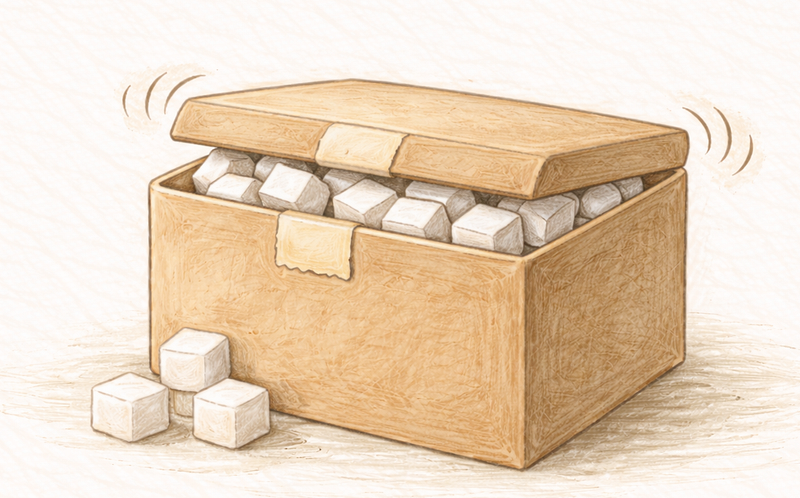
Extreme restriction creates:
- obsession
- cravings
- binge–restrict cycles
When something is forbidden, the brain treats it as urgent.
That’s why many people who “quit sugar”
End up thinking about it more.
Fear increases control.
Understanding reduces it ¹⁰.
The real hierarchy of harm
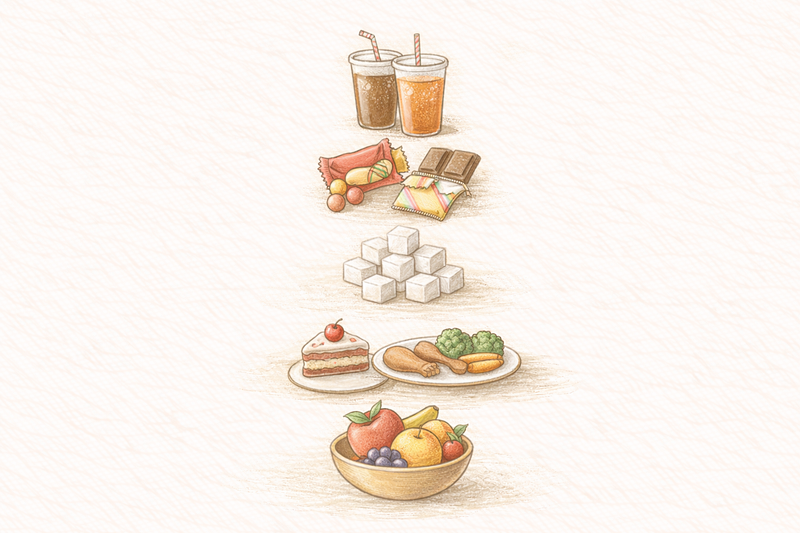
From most harmful → least concerning:
- Liquid sugar all day
- Frequent ultra-processed sugary snacks
- Large sugar intake without meals
- Occasional sweets with meals
- Whole fruit
Most advice ignores this order.
Sugar isn’t the villain.
Instability is.
Your body doesn’t need zero sugar.
It needs predictable energy.
Fear makes sugar powerful.
Understanding makes it quiet.
And quiet food choices are usually the healthiest ones.
References (for readers who want evidence)
- Guyton & Hall. Textbook of Medical Physiology
- NIH — Glucose metabolism and insulin function
- American Diabetes Association. Insulin physiology
- Harvard Health Publishing. Blood sugar fluctuations
- BMJ. Sugar-sweetened beverages and metabolic disease
- American Journal of Clinical Nutrition. Fiber and glycemic response
- National Institute of Diabetes and Digestive and Kidney Diseases (NIDDK)
- Lancet Diabetes & Endocrinology. Insulin resistance mechanisms
- American Diabetes Association. Type 2 diabetes causes
- Journal of Eating Behaviors. Restriction and craving cycles
If you found this article insightful ,
you can buy me a coffee here ☕
