The Long-Term Side Effects of Creatine

The Long-Term Side Effects of Creatine
The Long-Term Side Effects of Creatine
What actually shows up
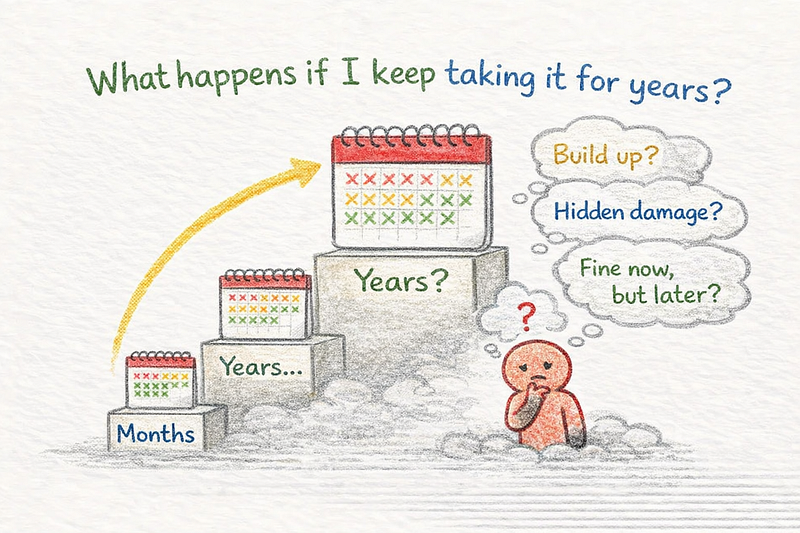
People aren’t scared of creatine after the first scoop.
They’re scared of time.
Not the first month.
Not even the first few months .
But the quiet thought that appears later:
“What if something builds up?”
“What if I don’t notice the damage until it’s done?”
“What if it’s fine now, but not fine later?”
That fear doesn’t come from evidence.
It comes from uncertainty.
So instead of asking, “Is creatine safe?”
The real question becomes:
What happens if I keep taking it for years?
Let’s slow this down.
What people really mean by “long-term side effects”
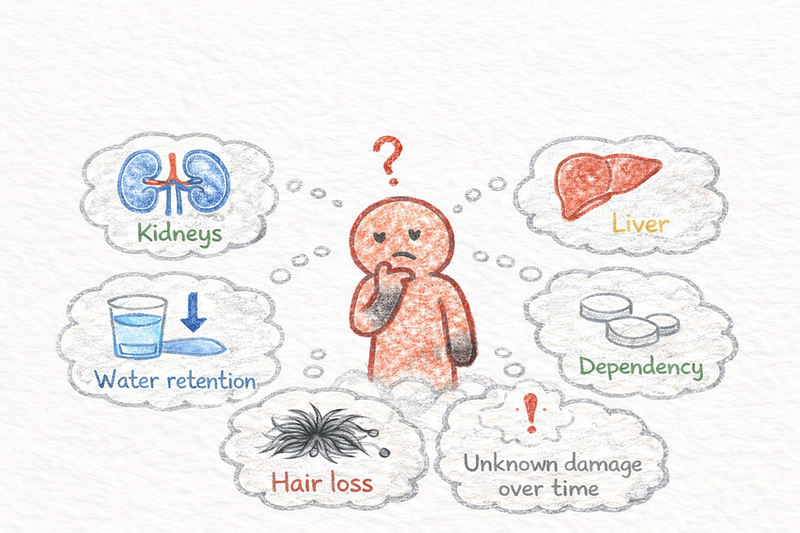
When someone asks about long-term creatine use, they’re usually worried about:
- kidneys
- liver
- water retention
- hair loss
- dependency
- “unknown damage over time”
Let’s take these one by one.
Kidneys (why this fear never goes away)
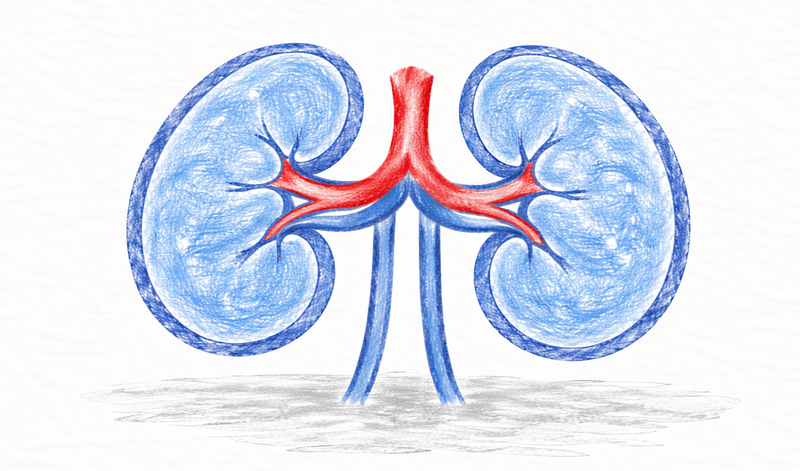
This is the biggest and loudest concern.
And it exists for one main reason:
Creatine raises creatinine levels in blood tests.
Creatinine is not a toxin.
It’s a marker.
Doctors use it because:
- kidneys clear creatinine
- rising creatinine can signal kidney stress
But here’s the problem:
Creatine supplementation increases creatinine even when kidneys are healthy.
Why?
Because:
- more creatine in the body
- means more creatine breakdown
- which means more creatinine in blood
This creates a false alarm.
Why this scares people
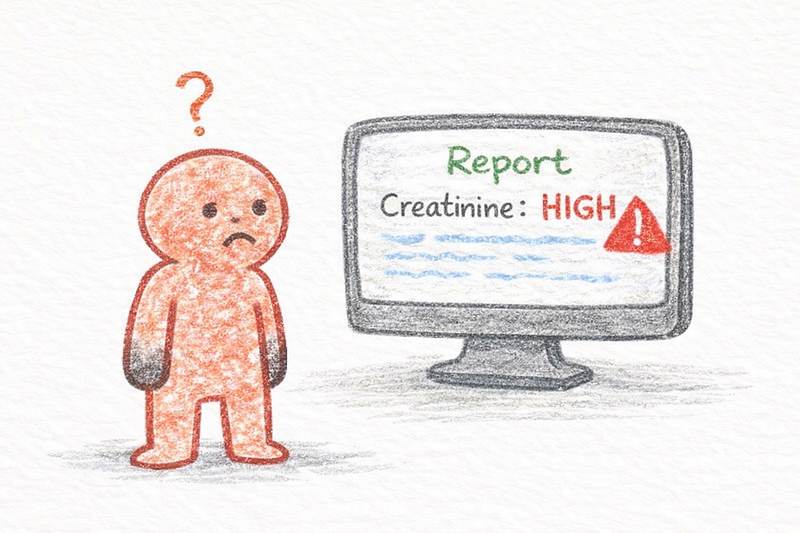
Most people don’t get a full explanation with their blood tests.
They just see:
“Creatinine: High”
And the brain fills in the rest.
Long-term studies in healthy individuals show:
- no decline in kidney function
- no increased kidney disease risk
- no progressive damage over time
This includes studies lasting years, not weeks.
What is a “normal” creatinine level?
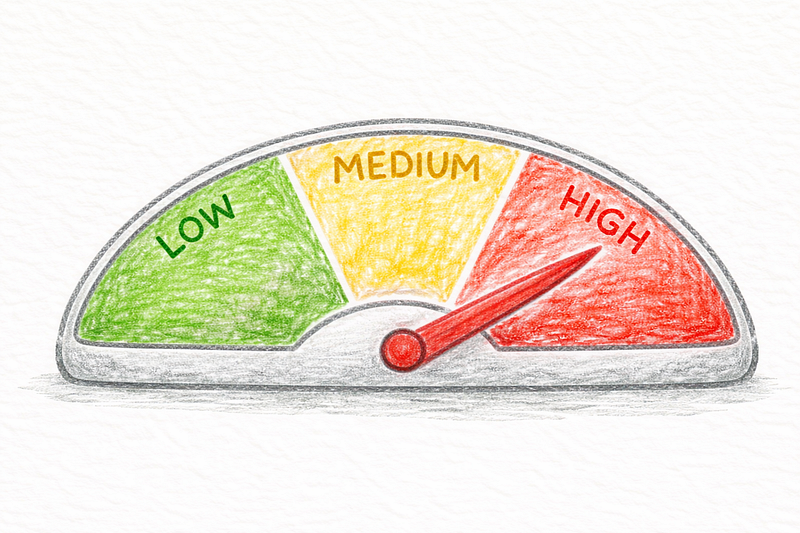
For most labs:
- Men: about 0.7–1.3 mg/dL
- Women: about 0.6–1.1 mg/dL
These are ranges, not strict limits.
Being slightly above or below does not automatically mean damage.
When you take creatine:
- your body has more creatine
- some of it naturally breaks down
- that creates a bit more creatinine
So blood creatinine can go up slightly.
Typical increase seen in studies:
- around 0.1 to 0.3 mg/dL
Example (very common):
- Before creatine: 0.9
- After creatine: 1.1
This looks scary on paper.
But in a healthy person, it usually means:
“More creatine in the system”
not
“Kidneys are failing”
The important exception
If someone already has:
- kidney disease
- reduced kidney function
- or unexplained kidney markers
Creatine should not be taken without medical supervision.
Not because creatine is poisonous.
but because compromised systems need monitoring.
That distinction matters.
Liver health (why it rarely comes up — and why that’s a good sign)
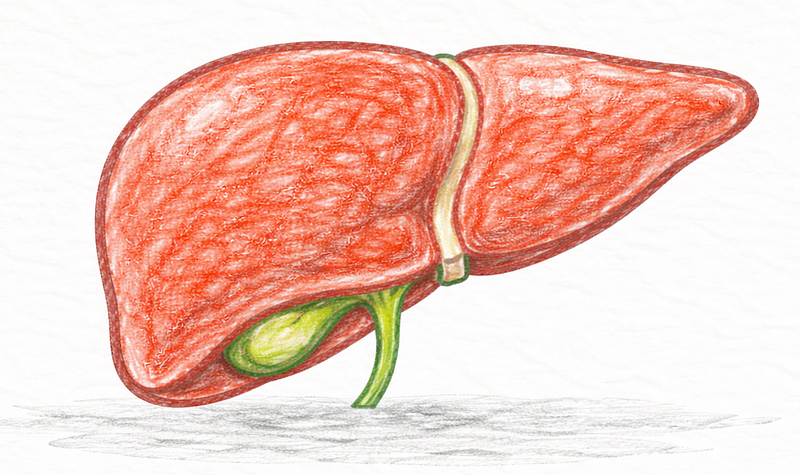
The liver processes many things that harm us:
alcohol
medications
toxins
Creatine isn’t one of them.
Creatine metabolism does not heavily rely on liver detox pathways.
Long-term research shows:
- no consistent elevation in liver enzymes
- no evidence of liver injury
This is why creatine isn’t treated like a “drug” in clinical settings.
If creatine stressed the liver, we would have seen it by now.
Water retention over years (not weeks)
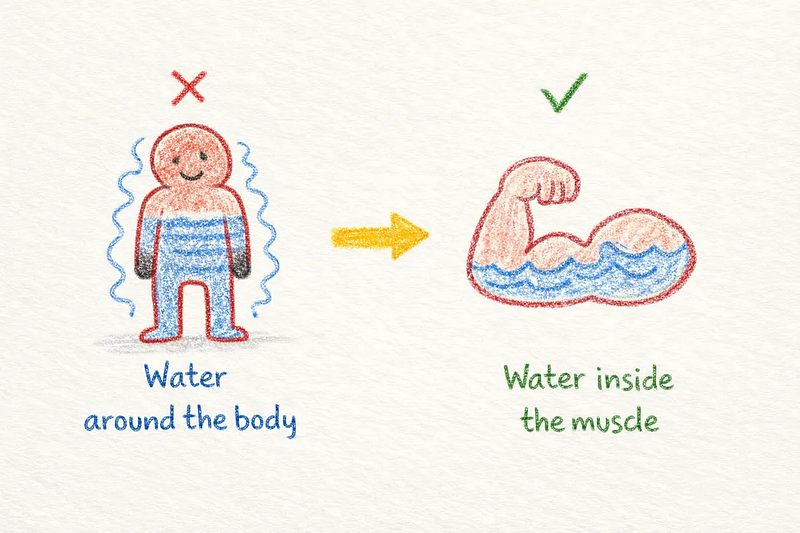
Creatine pulls water into muscle cells.
This happens early.
And then it stabilizes.
It does not:
- keep increasing endlessly
- cause swelling around organs
- overload the system
This water is:
- intracellular
- controlled
- reversible
That’s why most long-term users stop noticing it entirely.
The body adapts.
Hair loss (why this rumor feels convincing)
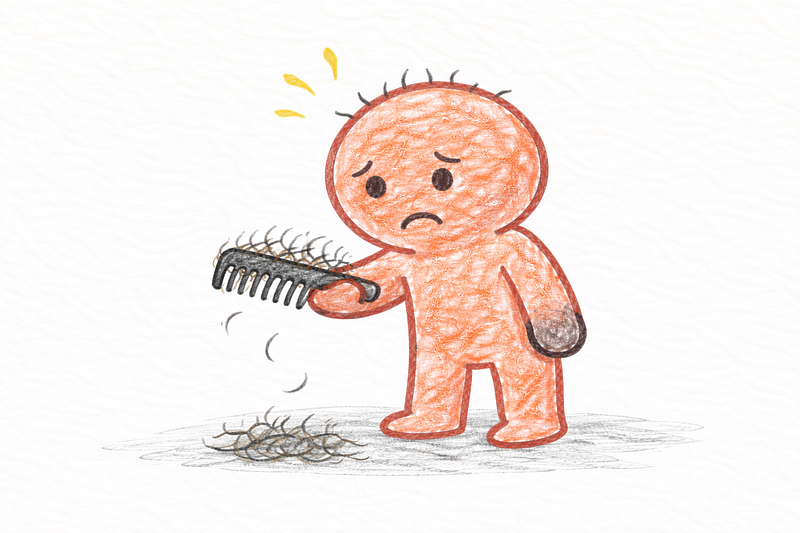
This fear survives because it sounds plausible.
There was one small study suggesting a rise in DHT levels.
What it did not show:
- actual hair loss
- long-term outcomes
- replication across populations
DHT is involved in hair loss for genetically susceptible people.
That nuance gets lost online.
So the story becomes:
“Creatine causes hair loss.”
There is no strong evidence supporting that claim.
What does happen:
People who already worry about hair loss become more alert.
Correlation feels like causation.
Dependency (the fear of “needing it forever”)
Creatine does not replace a natural hormone.
It does not shut down a gland.
It does not hijack a system.
Your body continues producing creatine whether you supplement or not.
If you stop:
- muscle creatine levels slowly return to baseline
- performance returns to previous levels
- nothing collapses
No withdrawal.
No crash.
No penalty.
Creatine supports performance — it doesn’t own it.
What can actually happen with long-term use
This is where honesty matters.
Some people experience:
- stomach discomfort (usually from high single doses)
- dehydration if fluid intake is poor
- confusing blood tests due to creatinine misinterpretation
These are usage issues, not damage.
They are solved by:
- proper dosing
- hydration
- understanding lab results
Not fear.
What doesn’t happen — even after years
Long-term creatine use does not:
- silently damage organs
- accumulate like a toxin
- “catch up with you” unexpectedly
- age you faster
Creatine is one of the most studied supplements in human nutrition.
If long-term harm existed, it wouldn’t be subtle anymore.
The Screenshots stand as evidence .
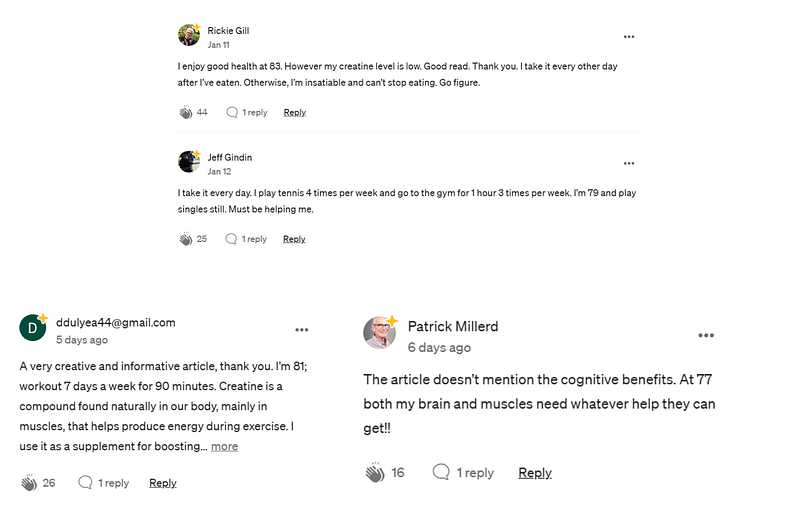
These screenshot of comments from my article on creatine stand as a evidence , how safe is creatine .
You can read the article here .
The honest conclusion
Creatine isn’t magical.
It isn’t dangerous either.
It lives in a rare middle ground:
- boring
- predictable
- studied
Time is not the risk.
Misunderstanding is.
Creatine doesn’t punish long-term use.
It simply does what it does and nothing more.
If you found this article helpful,
you can buy me a coffee here ☕
