Can Creatine Damage Your Kidneys?

Can Creatine Damage Your Kidneys?
Can Creatine Damage Your Kidneys?
What a simple blood test actually shows (before and after)
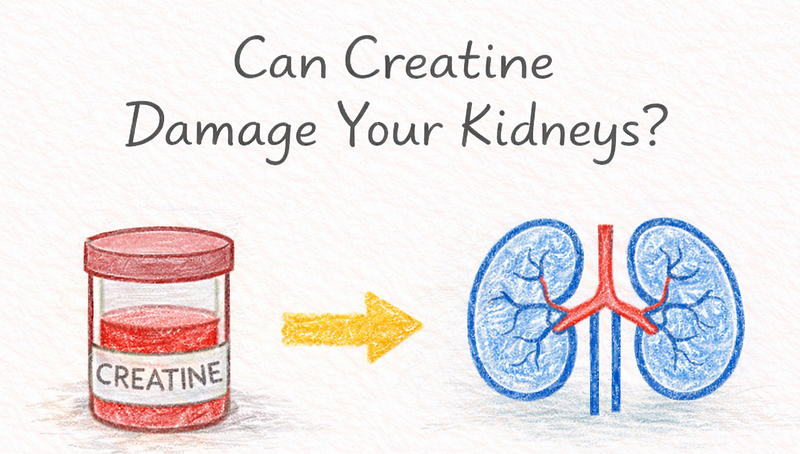
If you’ve ever thought about taking creatine, you’ve probably heard this warning:
“It will damage your kidneys.”
The fear usually starts the same way.
Someone takes creatine.
They do a blood test.
One number goes up.
Panic follows.
That number is creatinine.
So let’s slow this down and talk about it .
First, One Important Clarification
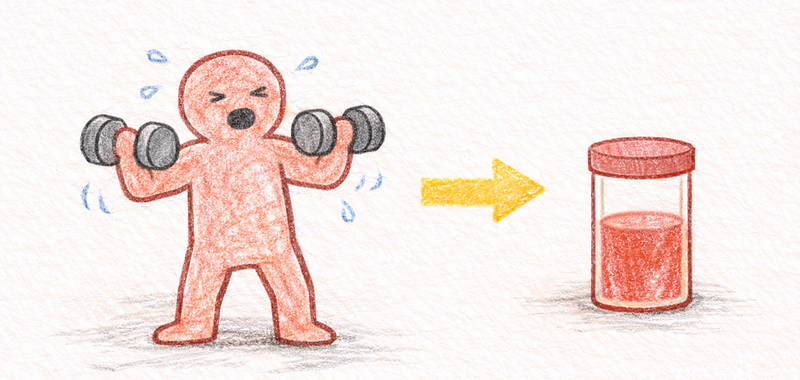
Creatine and creatinine are not the same thing.
They sound similar.
They are related.
But they are not identical.
- Creatine → a supplement stored in muscles
- Creatinine → a waste product made when muscles use energy
Your kidneys remove creatinine from your blood.
That’s why doctors use blood creatinine levels to check kidney function.
What Is a Creatinine Blood Test?

A serum creatinine test measures how much creatinine is in your blood.
Doctors use it to estimate how well your kidneys are filtering waste.
It is not a direct kidney damage test.
It is an indicator, not a verdict.
Normal Creatinine Range (Very Important)
For healthy adults, typical ranges are:
- Men: ~ 0.7 to 1.3 mg/dL
- Women: ~ 0.6 to 1.1 mg/dL
(Exact ranges vary slightly by lab.)
Higher does not automatically mean kidney damage.
What Happens Before Creatine?
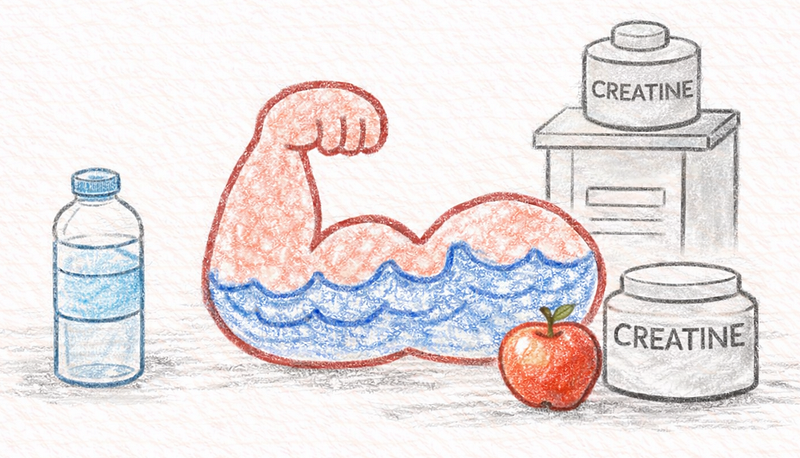
Let’s say someone lifts weights and is healthy.
Example (Before Creatine):
- Creatinine: 0.9 mg/dL
- Kidney function: normal
- No symptoms
Everything looks fine.
What Happens After Starting Creatine?
Now the same person starts creatine.
Creatine increases stored energy in muscles.
More muscle metabolism → slightly more creatinine produced.
Example (After Creatine):
- Creatinine: 1.1 or 1.2 mg/dL
- Kidney function: still normal
- No symptoms
This is where fear starts.
The number went up.
but it is still within the normal range.
Even when it goes slightly above, it often reflects:
- more muscle mass
- more muscle activity
- mild dehydration before the test
Not kidney damage.
Why Creatinine Can Increase Without Kidney Damage
Creatinine rises when:
- you have more muscle
- you exercise hard
- you eat a lot of protein
- you are dehydrated
- you take creatine
Athletes often have higher creatinine than non-athletes.
with perfectly healthy kidneys.
That’s why doctors don’t rely on creatinine alone.
They look at:
- eGFR (estimated filtration rate)
- symptoms
- trends over time
- medical history
The Big Confusion: Marker vs Damage
This is the core misunderstanding.
Creatinine is a marker, not damage itself.
It’s like:
- a thermometer showing heat
- not the fire causing it
Creatine can raise creatinine
without harming kidneys.
When Creatine Can Be a Problem

Creatine should be avoided or medically supervised if someone already has:
- chronic kidney disease
- reduced kidney function
- serious kidney history
Not because creatine is toxic.
but because stressed kidneys should avoid extra load.
Also important:
- drink enough water
- don’t megadose
- don’t stack unnecessary supplements
Most scary stories involve poor hydration or existing issues.
What Research Actually Says (Short and Clear)
Long-term studies in healthy individuals show:
- no kidney damage
- no decline in kidney function
- no increase in kidney disease risk
Creatine is one of the most studied supplements in the world.
The myth survives because:
- lab numbers are misunderstood
- context is ignored
- fear spreads faster than explanation
A Calm Way to Think About It

Instead of asking:
“Is creatine dangerous?”
Ask:
“Are my kidneys healthy, and am I using this responsibly?”
If yes.
creatine is not the threat it’s made out to be.
Creatine doesn’t damage kidneys in healthy people.
What it does is:
- slightly change a lab number
- confuse people who don’t know the difference
- create unnecessary fear
Most health anxiety comes from partial information, not real danger.
Understanding the test changes everything.
References
- International Society of Sports Nutrition (ISSN)
Position Stand: Safety and Efficacy of Creatine Supplementation - Journal of the International Society of Sports Nutrition (2017)
Long-term creatine supplementation and kidney function in healthy adults - National Kidney Foundation
Explanation of creatinine and kidney tests - Mayo Clinic
Creatinine test interpretation and factors affecting results
Further Reading
If this article made things clearer instead of scarier,
feel free to leave a comment — especially if you’ve seen confusing lab reports yourself.
And you can support be by buying me a coffee here .
And if you like calm, practical writing without panic,
you know where the clap button is 🙂
