Your Body Sends 37 Warning Signals Before a Burnout

Your Body Sends 37 Warning Signals Before a Burnout
Your Body Sends 37 Warning Signals Before a Burnout
Most People Ignore All of Them
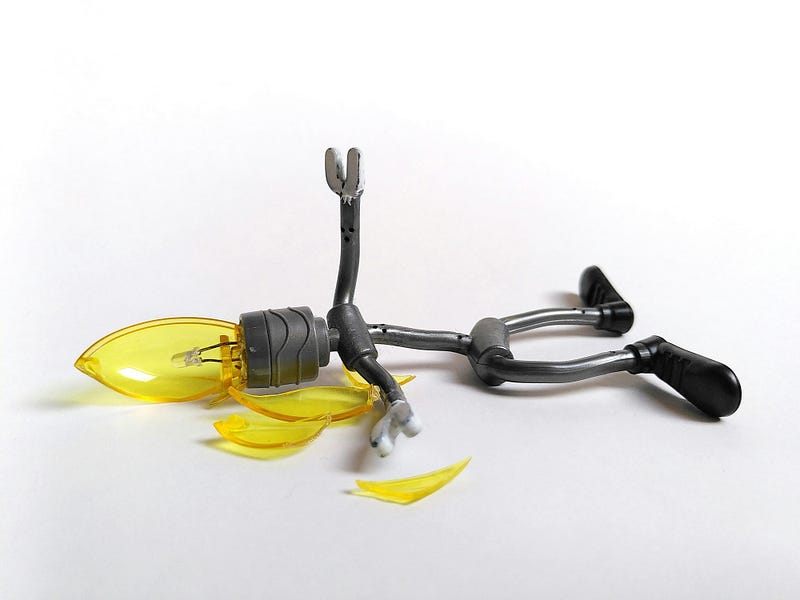
The body never breaks down without warning. The problem is we were never taught what to listen for.
Nobody wakes up burnt out overnight.
It doesn’t work that way. There is no single morning where everything was fine and then suddenly wasn’t. There is no dramatic moment where the body simply gives up without prior notice.
What actually happens is quieter. Slower. And far more interesting.
The body starts talking weeks before the breakdown. Sometimes months. It sends small signals , gentle at first, then louder, then impossible to ignore. Most people make it all the way to impossible to ignore before they pay attention.
By then, recovering takes months instead of days.
The body didn’t fail to warn you. You just weren’t taught the language.
Why Nobody Catches It Early
There is a reason most people miss the early signals.
They don’t look like warning signs.
They look like ordinary life. A bad night of sleep. A short temper on a stressful afternoon. Skipping a meal because there wasn’t time. Feeling slightly unmotivated on a Monday morning.
Individually, none of these feel significant. They feel like the normal friction of a busy life. So they get dismissed, pushed through, explained away.
The body notes this.
And sends the next signal a little louder.
Burnout is not a sudden collapse. It is a long conversation the body eventually stops waiting to have politely.
The 37 Signals
The body’s warning system runs in layers. Early signals are subtle. Middle signals are harder to ignore. Late signals are the ones that finally force a stop.
Most people only recognize the last category.
The First Layer — The Whispers
These are the signals so quiet most people never register them at all.
1. You wake up tired after a full night of sleep. Not occasionally. Consistently. The body is trying to recover from something that rest alone can no longer fix.
2. Small decisions feel heavier than they should. Choosing what to eat, what to respond to, what to do next these ordinary choices start requiring more effort.
3. You lose interest in things that used to feel exciting. Not dramatically. Just slightly. A hobby feels less interesting. A plan that used to excite you now feels like effort.
4. You start forgetting small things more often. Where you put something. What you were about to say. A name you know well.
5. Mornings feel harder to start. Not because of laziness. The body simply takes longer to find momentum.
6. You feel slightly detached during conversations. Present physically but not fully there.
7. Your appetite changes without explanation. Either food becomes less interesting or cravings intensify unusually.
8. You feel mildly irritable without a clear reason. Small things land harder than they should.
9. Creative thinking slows down. Ideas that used to come easily now require effort to find.
10. You feel vaguely anxious but cannot identify why.
The Second Layer — The Signals Getting Louder
The body has moved past whispering. These signals have volume.
11. You feel exhausted by social interaction. Even people you genuinely like start to feel like energy you don’t have.
12. Concentration becomes noticeably harder. Sitting with a task for more than twenty minutes feels like pushing through resistance.
13. You start relying on caffeine to feel functional. Not for enjoyment. For basic operation.
14. Your patience with ordinary setbacks disappears. Small frustrations produce disproportionate reactions.
15. You feel emotionally flat. Not sad. Not happy. Just neutral in a way that doesn’t feel like peace.
16. Your sleep quality drops even when the quantity stays the same. You are sleeping but not recovering.
17. Physical tension lives permanently in your body. Shoulders. Jaw. Neck. Somewhere is always tight.
18. You start daydreaming about escape. Not a vacation. Complete escape. A different life, different job, different version of everything.
19. The things you do for enjoyment start to feel like obligations.
20. You feel behind all the time. Even when you’re not. Even after a productive day.
21. Your inner voice becomes harsher. Self-criticism that used to be occasional becomes a quiet constant background noise.
22. You start making careless mistakes in work you normally handle easily.
23. Getting sick more frequently. The immune system is one of the first systems to be quietly defunded by chronic stress.
The Third Layer — The Body Speaking Plainly
At this point the body has stopped being subtle.
24. Physical exhaustion that doesn’t respond to rest.
25. Persistent headaches with no clear medical cause.
26. Digestive issues that appear without dietary explanation.
27. Heart palpitations during ordinary, unstressful moments.
28. Skin problems that appear or worsen without clear cause.
29. A constant low-grade feeling of dread about the next day.
30. Crying without knowing exactly why.
31. Feeling completely numb to outcomes that previously mattered deeply.
32. Inability to feel genuine pleasure from anything.
33. The sense that you are watching your own life from a slight distance.
34. Difficulty remembering the last time you felt genuinely relaxed.
35. A deep resistance to starting anything new, even things you want.
36. Feeling like no amount of time off would actually fix how you feel.
37. The quiet but persistent thought that you simply cannot keep going like this.
That last one is not a weakness.
It is the body finally saying what it has been trying to say for months.
The Signal Most People Wait For
Most people wait for signal thirty seven before they stop.
By then the body is not whispering or speaking. It is demanding. And recovering from that level of depletion is not a weekend of rest. It is weeks of deliberate slowness. Sometimes months of rebuilding something that was quietly eroding for a long time.
The cruel irony is that signals one through fifteen are entirely manageable. A few genuine adjustments. Some honest rest. A conversation. A boundary placed somewhere it was needed.
Early intervention costs days. Late intervention costs months.
Why the Body Sends 37 Signals and Not Just One
Because it doesn’t want you to stop.
The body is not trying to shut you down. It is trying to keep you running — just at a pace that is actually sustainable. Every signal is an attempt to course correct before something more serious is required.
The body is not your enemy in this.
It is the most loyal system you have, doing everything it can to keep you functional for as long as possible.
The signals are not complaints. They are maintenance requests.
The Simple Question
Look at that list again.
Not to diagnose yourself dramatically. Not to catastrophize a bad week into something it isn’t.
But honestly.
How many of those signals have you been quietly explaining away as normal life?
Three? Eight? Fifteen?
There is no judgment in the number.
There is only the question of how long you want to wait before you listen.
A Quiet Thought
The most expensive thing about burnout is not the recovery time.
It is everything that gets damaged quietly in the months before anyone admits what is happening.
Relationships running on empty. Work produced by a depleted mind. Days lived at a fraction of what they could have been.
The body tried to prevent all of it.
It sent thirty seven signals.
The question was never whether the body was speaking. The question is whether you were willing to hear it.
Before You Go
If essays like this resonate with you. The quiet psychology behind stress, habits, attention, and the small signals our minds and bodies send us that’s mostly what I write about.
Some of these ideas eventually turn into short books where I explore these topics more deeply: how the mind works, how attention gets hijacked, and how small daily behaviors shape the way we live.
I also share longer reflections and experiments through my membership, where I write more freely about thinking, mental clarity, burnout, and the strange patterns that quietly run our lives.
And if this article made you pause and notice something about your own signals, you can also buy me a coffee.
It’s a small way to support the writing and help me keep producing essays like this.
No pressure.
Just appreciation.
