8 Lesser-Known Books That Can Rewire Your Brain.

8 Lesser-Known Books That Can Rewire Your Brain.
8 Lesser-Known Books That Can Rewire Your Brain.
Discover the Quiet Power of Underrated Masterpieces to Redefine Your Thinking, Habits, and Life.
Books have the power to change us — to challenge our beliefs, reshape our perceptions, and even rewire our brains. Today, I want to introduce you to eight transformative books that might not be mainstream bestsellers, but their impact is undeniable.
These books delve into the depths of psychology, neuroscience, philosophy, and human potential. They hold insights that can help us not just survive but thrive in today’s complex world. Let’s explore them together.

1. “The Art of Learning” by Josh Waitzkin
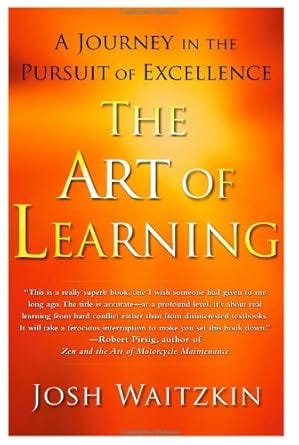
This book is a masterclass in cultivating excellence, written by someone who has excelled in both chess and martial arts. Waitzkin emphasizes the importance of understanding learning as a process rather than a destination. He writes:
“What separates the great from the near-great is often something surprisingly small.”
The book teaches us to embrace obstacles and resistance as opportunities for growth. For example, Waitzkin describes the concept of “making smaller circles,” where you focus on refining the core of a skill until it becomes second nature.
Quote: “If a student of martial arts tries to take on too much at once, he runs the risk of becoming clumsy. But if he takes a single technique and hones it to perfection, he builds a foundation that carries him forward effortlessly.”
2. “The Molecule of More” by Daniel Z. Lieberman and Michael E. Long
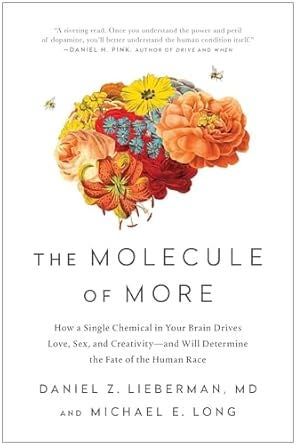
Dopamine, often called the “pleasure chemical,” is actually the neurotransmitter of anticipation and desire. This book helps us understand why we’re always chasing the next big thing but rarely find satisfaction in achieving it. The authors write:
“Dopamine is not about the reward. It’s about the hunt.”
By understanding how dopamine drives our behavior, we can take control of it rather than being controlled by it. For instance, the book explains how dopamine plays a role in addiction, relationships, and creativity.
Quote: “If we let dopamine take the wheel, we’ll always be chasing what’s next, never pausing to enjoy the moment.”
3. “Solve for Happy” by Mo Gawdat
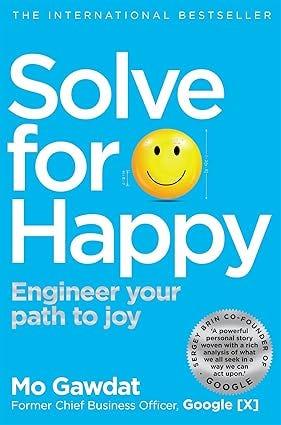
This book, written by a former Google executive, provides a formula for happiness that’s rooted in logic and mindfulness. Mo Gawdat created this framework after tragically losing his son, making it deeply personal and impactful.
“Happiness is not about what the world gives you — it’s about how you choose to perceive it.”
One of the core principles of the book is that unhappiness stems from a gap between expectations and reality. By changing how we approach this gap, we can find peace even in the toughest times.
Quote: “The brain’s job is not to make you happy. Its job is to keep you alive. Happiness is your responsibility.”
4. “Peak: Secrets from the New Science of Expertise” by Anders Ericsson and Robert Pool
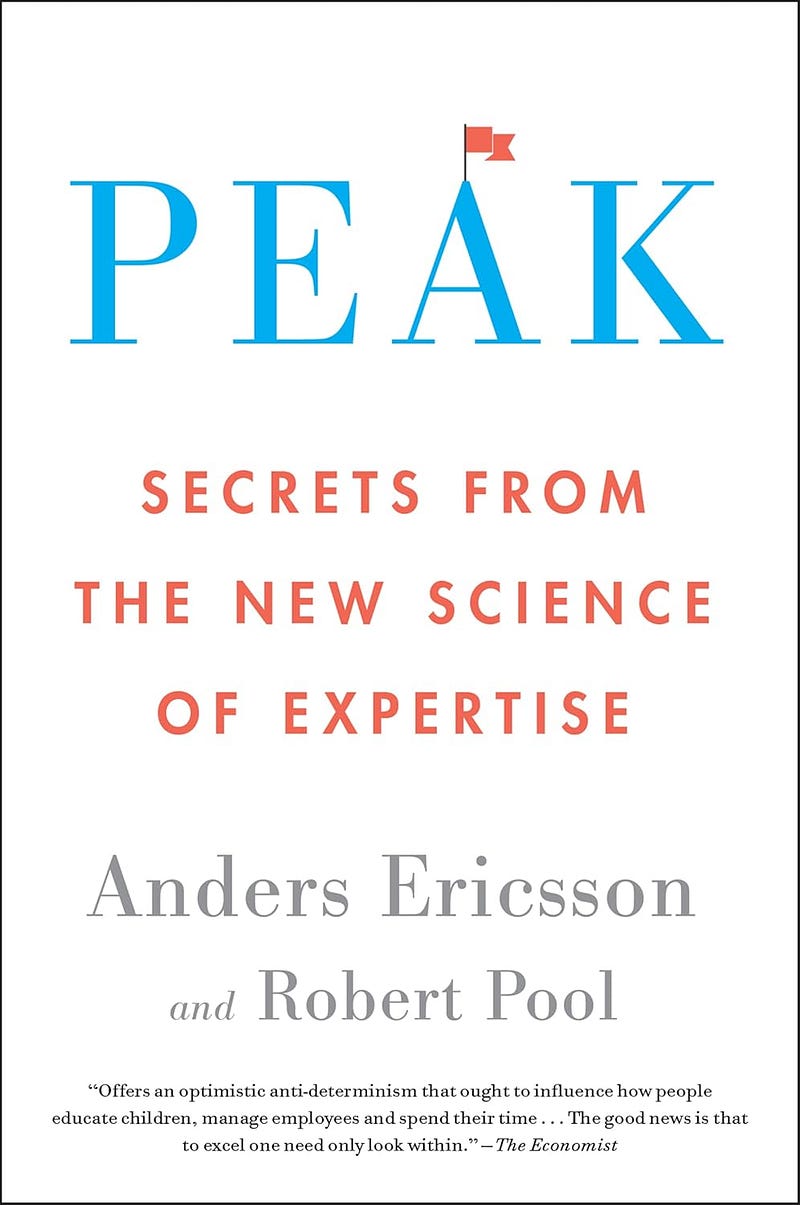
If you’ve ever heard of the “10,000-hour rule,” you’ve encountered Anders Ericsson’s work. But this book goes deeper, revealing that it’s not just about hours but how you practice. Ericsson writes:
“The right sort of practice carried out over a sufficient period of time leads to improvement. Nothing else will.”
The book introduces the concept of deliberate practice — focused, feedback-driven practice designed to stretch your abilities.
Quote: “You don’t have to be a genius to excel at something. You just need to practice intelligently and consistently.”
5. “The War of Art” by Steven Pressfield

Pressfield’s book is a battle cry for anyone struggling to pursue their creative passions. He personifies internal resistance as a cunning, insidious force that must be conquered daily.
“Resistance will unfailingly point to true North — the thing you must do.”
The book teaches us that resistance often grows stronger the closer we get to doing something meaningful. But it’s in facing this resistance that we find our purpose.
Quote: “The professional embraces their fear and acts in the face of it. The amateur lets fear stop them.”
6. “The Courage to Be Disliked” by Ichiro Kishimi and Fumitake Koga
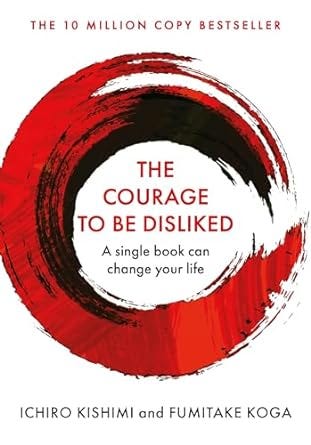
This book is written as a Socratic dialogue between a philosopher and a student, distilling Adlerian psychology into practical wisdom. It challenges the idea that our past determines our future, emphasizing free will and personal responsibility.
“Happiness is the freedom to choose your life without being constrained by the expectations of others.”
One powerful takeaway is the idea of “separation of tasks.” It teaches us to focus on what is within our control and let go of what isn’t.
Quote: “You are not living to satisfy others’ expectations. The world doesn’t revolve around you, but that is what makes life beautiful.”
7. “Brain Rules” by John Medina
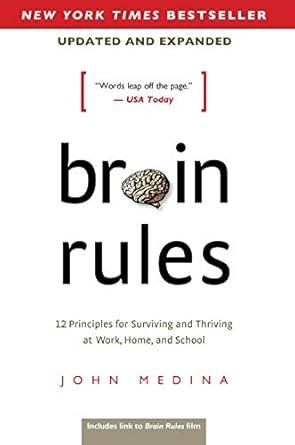
This book provides 12 principles for optimizing how our brains work. It blends neuroscience with practical advice, offering tips to improve memory, focus, and learning.
“If you want to improve your brain, exercise your body.”
One fascinating insight is that our brains are designed to survive in environments where we move. Sitting still for hours at a desk is the opposite of what our brains are wired for.
Quote: “We are not made to sit at desks. We are made to explore, discover, and adapt.”
8. “Deep Work” by Cal Newport
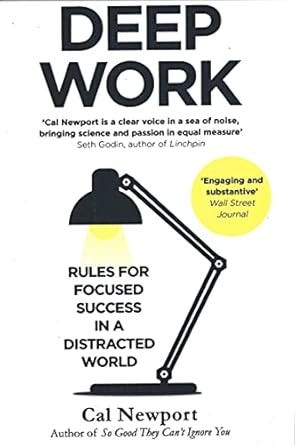
Newport explores the concept of deep, focused work in a world full of distractions. He writes:
“Clarity about what matters provides clarity about what does not.”
The book teaches us how to embrace boredom and cut out distractions, allowing us to produce work of lasting value. Newport’s strategies, like scheduling “deep work hours” and creating a shutdown ritual, can profoundly change how we approach productivity.
Quote: “The ability to focus deeply is like a superpower in today’s noisy world.”
Conclusion
These books may not have the fame of “bestsellers,” but they carry the weight of wisdom. Each one is a guide, a mentor, and a catalyst for change. They remind us that our brains are not fixed — they are dynamic, ever-evolving, and ready to be rewired.
So, I urge you to pick one and dive in. Let its wisdom challenge you, reframe your beliefs, and help you grow into the person you’re meant to be. As Josh Waitzkin writes in The Art of Learning:
“We can all cultivate resilience and creativity. The key lies in embracing the journey of growth, no matter how small the steps.”
Thank you, and happy reading.
