Doing Right When No One is Watching

Doing Right When No One is Watching
Doing Right When No One is Watching
Why Being Honest Always Matters
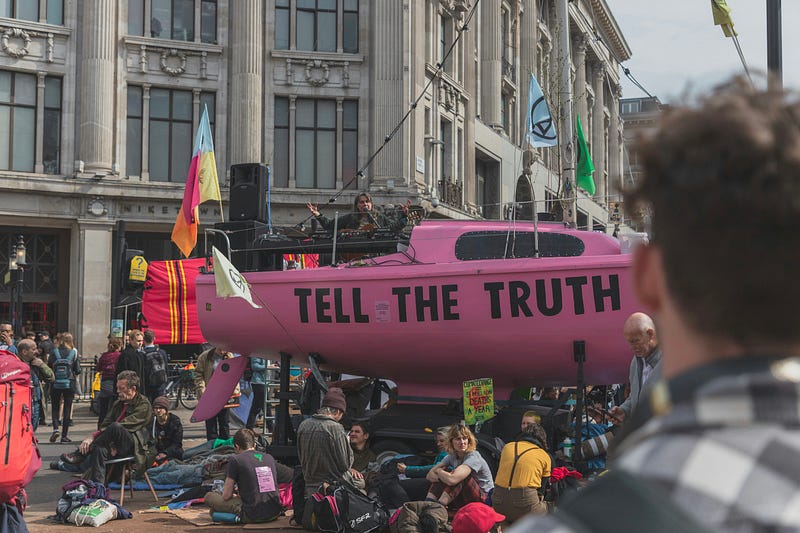
Honesty is often praised , but let’s be real — most of us are only honest when we think someone is watching. Think about it. How often do we take a shortcut, tell a white lie, or act differently when no one is around? Maybe you sneak a little extra time on your break at work, exaggerate an expense on a reimbursement, or say you’re “on the way” when you haven’t even left home yet. It’s small, it’s seemingly harmless, and nobody will know. But the real question is — does honesty only matter when someone is watching?
The answer is no. And here’s why.
The Emotional Connection
Let’s bring this back to you. Imagine how you feel when you tell a lie. Even a small one. Maybe your heart beats faster, maybe there’s a nagging thought in the back of your head. Now imagine the relief of telling the truth. It’s liberating, isn’t it? That’s because truth aligns with our nature. Deception, even in small doses, burdens us in ways we don’t always realize.
The Invisible Mirror
The philosopher C.S. Lewis once said, “Integrity is doing the right thing, even when no one is watching.” When we act dishonestly, even in small ways, we might escape external consequences, but we cannot escape ourselves. There is an invisible mirror we carry within — our conscience. Every dishonest act, no matter how minor, chips away at our self-respect and inner peace.
Honesty in Daily Life
Consider the little ways we bend the truth:
- Taking office supplies home, assuming “it’s just a pen.”
- Not correcting a cashier when they give extra change.
- Promising to call a friend but never intending to follow through.
- Clicking “I have read and agreed to the terms and conditions” without even glancing at them.
Each of these actions might seem insignificant, but they shape our character. If we only act honestly when there’s a risk of being caught, are we really honest people?
The Long-Term Rewards of Truthfulness
The beauty of honesty is that it pays off in the long run. Consider the story of Abraham Lincoln, often called “Honest Abe.” As a young store clerk, Lincoln once realized he had accidentally short-changed a customer by a few cents. That night, after closing the shop, he walked several miles to return the money. Did anyone ask him to do that? No. Did he have to? No. But that act of honesty built a reputation that would follow him for life.
Honesty doesn’t just shape how others see you — it shapes who you are. The more truthful you are in small things, the stronger and more confident you become. People trust you, opportunities come your way, and most importantly, you trust yourself.
Living an Honest Life
Honesty is not just about avoiding punishment — it’s about being at peace with yourself. It’s about living a life where you don’t have to remember what lie you told, where you don’t have to pretend to be someone else, where your words and actions align.
Mark Twain said, “If you tell the truth, you don’t have to remember anything.” Living truthfully is living freely.
Be honest, even when no one is watching. Correct the small dishonesties in your daily life. Speak the truth when it’s easier to lie. Keep promises, even the ones you made to yourself. Not because someone is monitoring you, but because you are watching.
Your character is not built in grand moments of decision but in the everyday choices you make when no one is looking. Will you choose honesty?
This book inspired me to write this article.
