Is Creatine Safe? Here’s the Honest Answer

Is Creatine Safe? Here’s the Honest Answer
Is Creatine Safe? Here’s the Honest Answer
What’s actually happening inside your body — shown through simple drawings
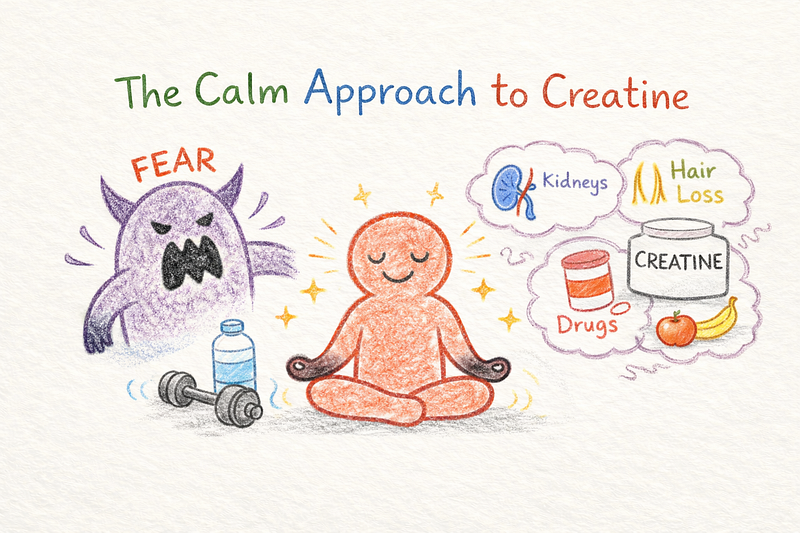
If you’ve ever thought about taking creatine, you’ve probably also felt this:
A small pause.
A little fear.
A voice in your head asking, “Is this actually okay?”
You hear things.
- It damages kidneys
- It causes hair loss
- It’s unnatural
- It’s only for bodybuilders
And then you see millions of people taking it casually, like it’s nothing.
So which one is true?
Let’s slow this down.
No hype. No fear.
Just what’s actually happening.
First, what creatine really is (in simple terms)
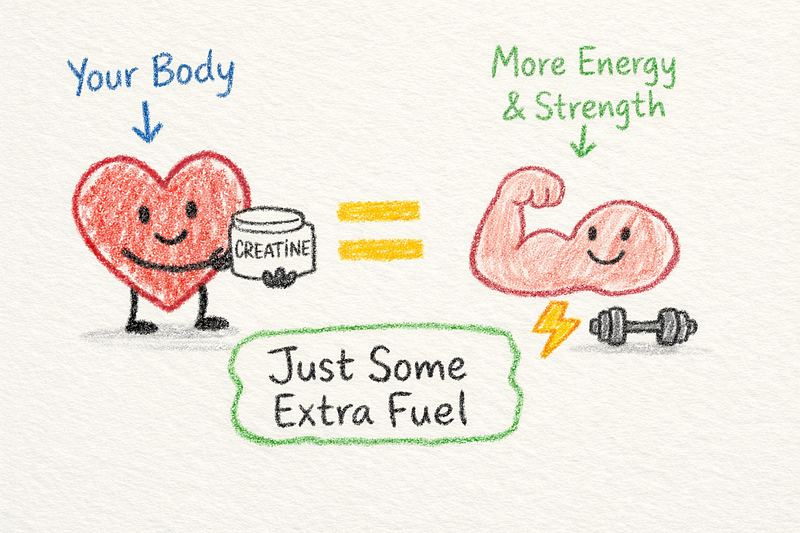
Creatine is not a drug.
It’s not a steroid.
It’s not something foreign to your body.
Your body already makes creatine — in small amounts — every day.
You also get some from food, especially meat and fish.
Supplementing creatine is basically saying:
“Hey body, here’s a bit extra of something you already use.”
What happens when you take creatine
Creatine’s main job is very boring — and that’s a good thing.
It helps your muscles:
- make energy faster
- recover a bit better
- perform slightly stronger
That’s it.
No magic.
No transformation overnight.
Just support.
(A drawing here showing energy being recycled calmly, not explosively.)
Why people think creatine is dangerous
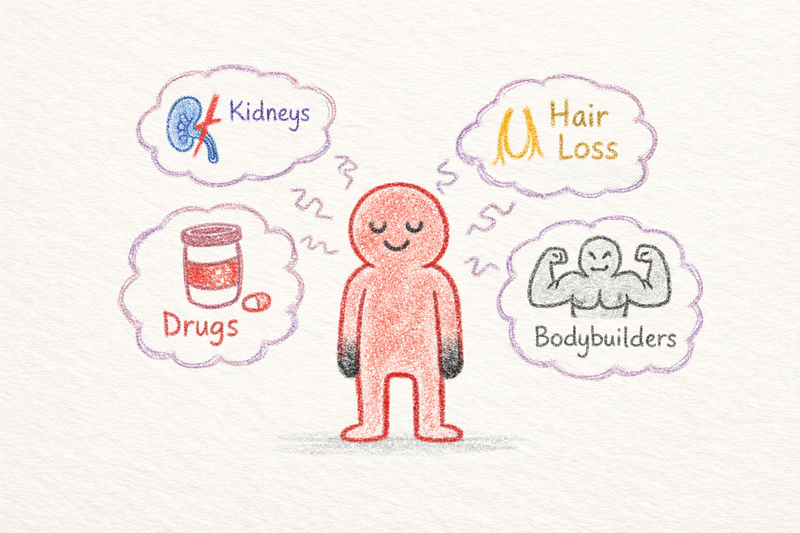
Most fear around creatine comes from association, not evidence.
It gets grouped with:
- hardcore gym culture
- aggressive marketing
- “supplement stacks”
- unrealistic bodies
So people assume it must be extreme.
But creatine is one of the most studied supplements in the world — for decades.
That doesn’t mean “take it blindly.”
It means the fear isn’t coming from facts.
The kidney fear (let’s talk about it honestly)
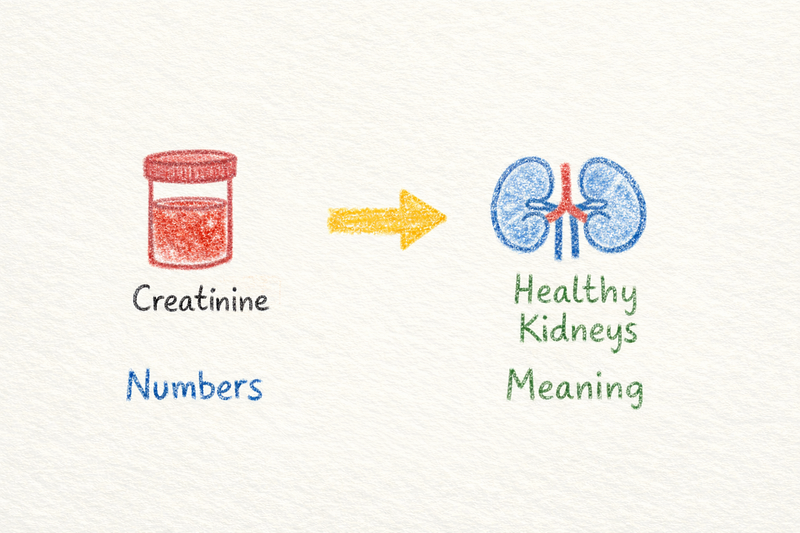
This is the biggest concern people have.
Here’s the truth, without drama:
- In healthy people, creatine has not been shown to damage kidneys
- If someone already has existing kidney disease, they should not take it without medical advice
Creatine increases something called creatinine in blood tests —
and people confuse that with kidney damage.
It’s like mistaking sweat for fever.
What about water weight?
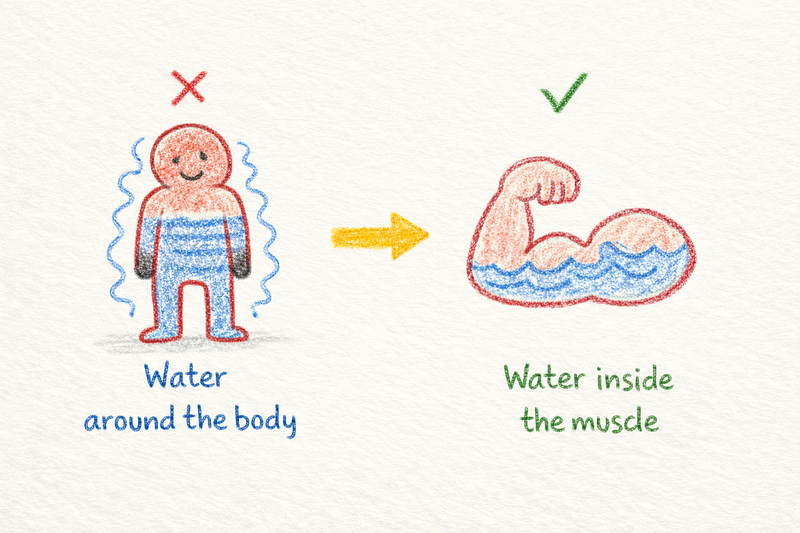
Yes — creatine can make you retain a bit more water inside muscles.
That’s not bloating.
That’s not fat.
That’s hydration at a cellular level.
Some people feel slightly heavier.
Some don’t notice it at all.
It’s not dangerous — just something to be aware of.
Hair loss? Be honest.
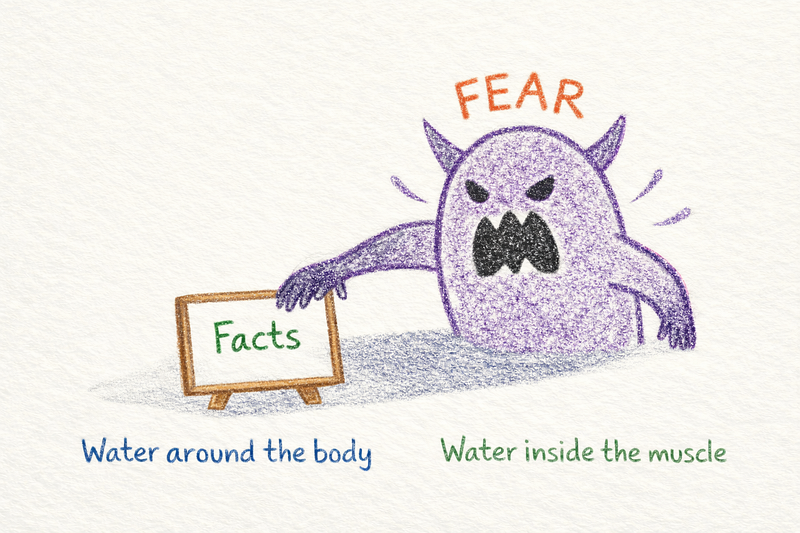
This one scares people.
There is no strong evidence that creatine directly causes hair loss.
One small study raised a question years ago — and it never really went anywhere after that.
If you are already genetically prone to hair loss, you might worry more.
But creatine itself is not proven to be the cause.
This fear survives mostly because it spreads fast.
Why creatine feels “intense” to think about
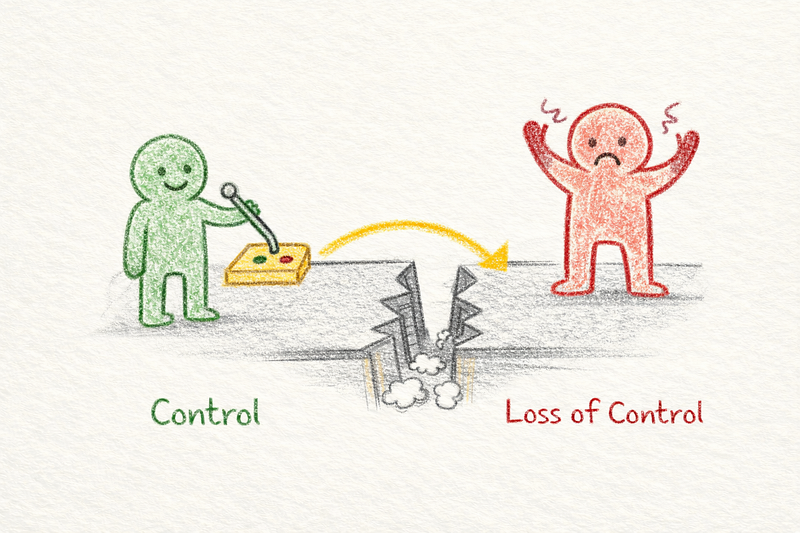
Creatine forces you to face something uncomfortable:
You’re choosing to change your body deliberately.
That triggers anxiety.
- “Am I doing something unnatural?”
- “Am I crossing a line?”
But training itself is unnatural too.
So is caffeine.
So is processed food.
The real question isn’t:
“Is this natural?”
It’s:
“Is this understood, measured, and reversible?”
Creatine is.
Who should actually take creatine?
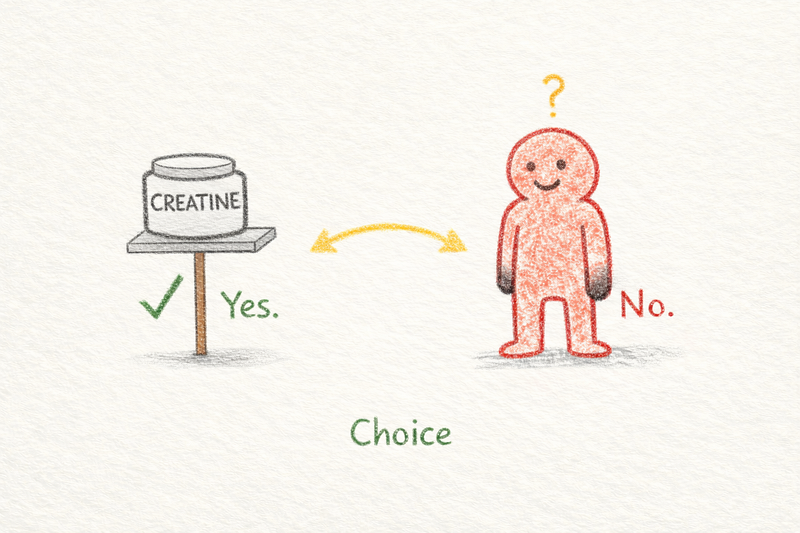
Creatine makes sense if:
- you train regularly
- you want better performance or recovery
- you’re okay with small, gradual changes
You don’t need it to be healthy.
You don’t need it to look good.
You don’t need it to belong.
It’s optional — not essential.
Who shouldn’t rush into it
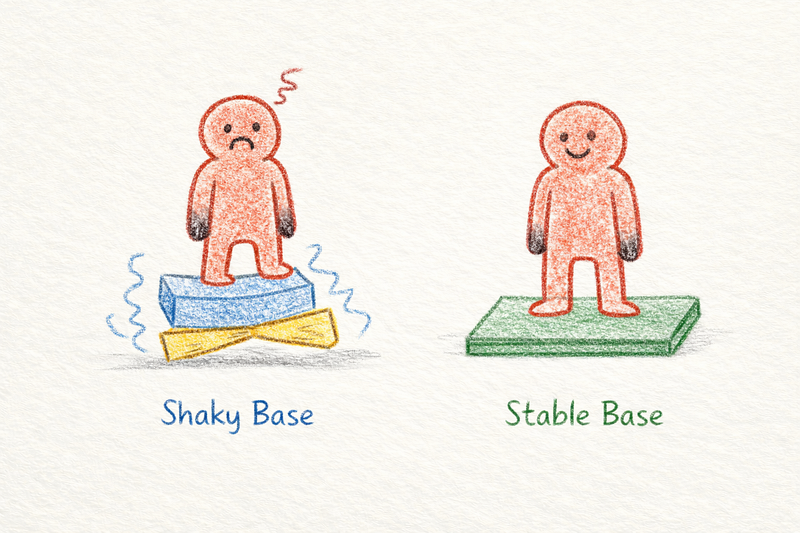
You don’t need creatine if:
- you’re training inconsistently
- you’re still fixing basics like sleep and food
- you’re already anxious about supplements
Creatine doesn’t fix chaos.
It only supports structure.
The honest conclusion
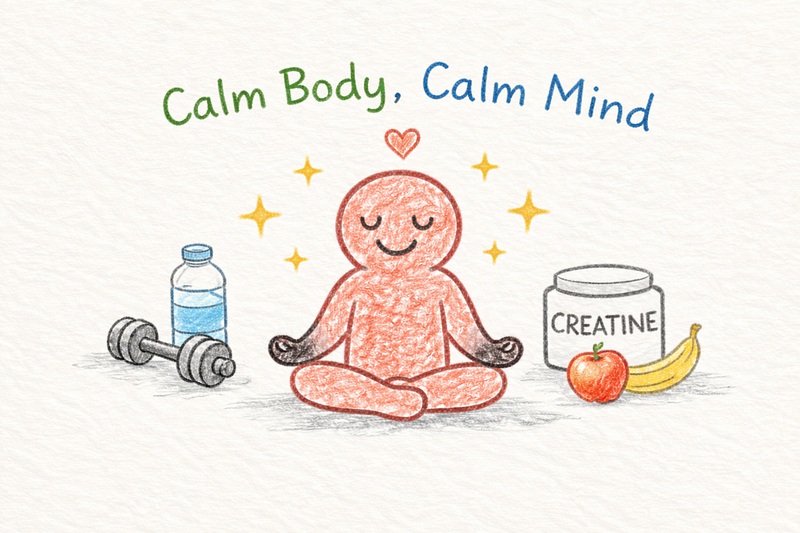
Creatine is not dangerous.
It’s not magic either.
It’s one of the rare supplements that sits in the middle:
- boring
- studied
- predictable
The danger isn’t creatine.
The danger is expecting it to change your life.
It won’t.
But it might help you train a little better.
if everything else is already in place.
