The Cheapest Therapy in the World

The Cheapest Therapy in the World
The Cheapest Therapy in the World
It Isn’t a Session
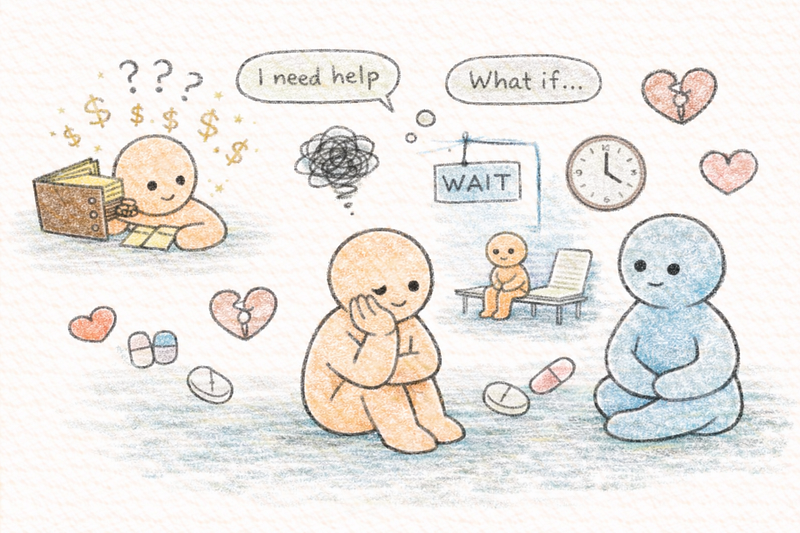
There’s a strange moment that happens when people start thinking about therapy.
Suddenly, healing becomes expensive.
- Appointments.
- Waiting lists.
- Hourly rates that make you feel guilty for needing help.
- Conversations you rehearse before you even show up.
It starts to feel like mental health is something only stable, financially secure, emotionally articulate people can afford to work on properly.
But the more I watched real life, the clearer something became:
The cheapest therapy in the world isn’t the most professional one.
It’s the one that actually happens.
We Talk About Healing Like Life Pauses for It
Most advice about mental health assumes a very gentle life.
A life where:
- you have time to reflect
- you’re not constantly tired
- your problems are neatly explainable
- you remember what you felt last week
- you’re not just trying to get through the day
In that world, therapy works beautifully.
In real life, things look different.
- You’re overwhelmed but don’t know why.
- You’re tired but can’t rest.
- You feel “off” but don’t have language for it.
- You don’t want solutions , you just want relief.
That’s where theory breaks , and something simpler starts to matter.
The Best Therapy Is the One You Don’t Have to Schedule
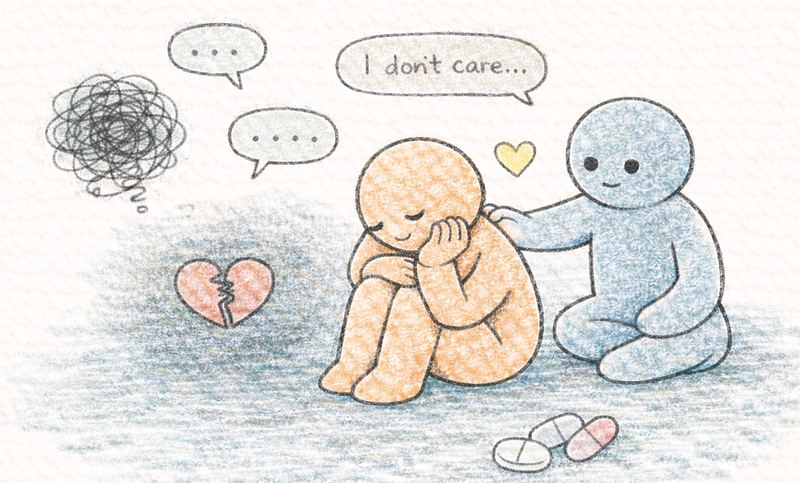
Any form of healing that requires perfect conditions will eventually fail.
If it needs:
- high energy
- clear thinking
- emotional readiness
- long explanations
it won’t survive bad days.
Not because you don’t care.
But because pain rarely shows up neatly.
The cheapest therapy works when:
- you’re confused
- you’re numb
- you don’t want to talk
- you don’t want to explain
Which brings me to the most boring answer possible.
Walking.
Walking
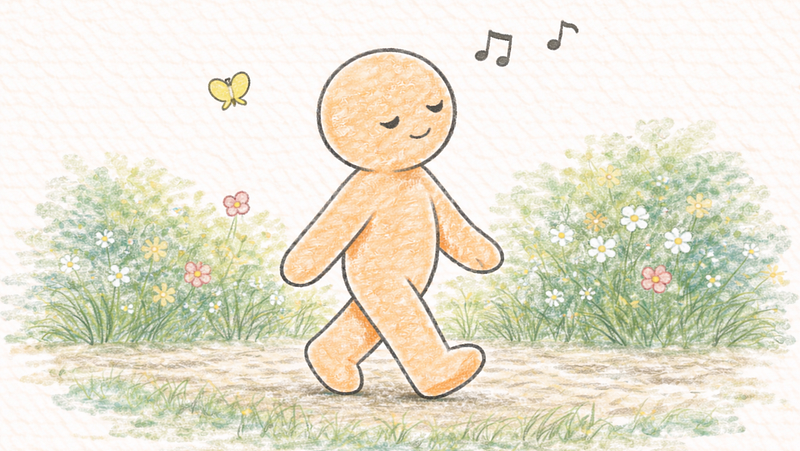
Not running.
Not training.
Not optimizing steps.
Just walking.
Slow.
Aimless.
No destination that matters.
Walking is one of the few things that helps without demanding anything in return.
You don’t need insight.
You don’t need motivation.
You don’t need to “feel ready.”
Your body moves.
Your mind follows later.
Sometimes.
Cheap Therapy Isn’t About Money. It’s About Access.
When people say “cheap,” they think about cost.
But the real cost of healing is resistance.
Ask yourself:
How easy is it to start?
How easy is it to avoid?
How guilty do you feel skipping it?
Walking has almost zero resistance.
No preparation.
No equipment.
No explanation to anyone.
You can walk:
when you’re sad
when you’re angry
when you’re restless
when you don’t know what you feel
That accessibility is therapeutic.
Why Walking Works When Talking Doesn’t
Talking requires clarity.
Walking doesn’t.
Walking lets thoughts arrive out of order.
It lets emotions exist without labels.
It gives your nervous system movement instead of answers.
Sometimes healing isn’t about understanding the problem.
It’s about lowering the volume.
Walking does that quietly.
This Isn’t an Anti-Therapy Argument
Professional therapy matters.
Deep conversations matter.
Guidance matters.
But they shouldn’t be the only doorway to feeling better.
The foundation should be something:
free
forgiving
available on bad days
Something that helps even when you don’t know what to say.
Walking does that without asking questions.
Real Healing Is Built on Things You Don’t Overthink
The best coping mechanisms aren’t impressive.
They don’t look like growth content.
They don’t sound deep when explained.
They just work.
Walking doesn’t promise transformation.
It just creates space.
And space is often enough to survive the day.
The Cheapest Therapy in the World Is the One You Can Reach Today
For some people, it’s walking.
For others, journaling.
For others, cleaning, praying, stretching, sitting quietly.
The point isn’t the activity.
The point is this:
Stop asking,
“Is this deep enough?”
Start asking,
“Will I still do this when I’m not okay?”
That question removes almost everything.
and leaves what actually helps.
Ending
If this article made you feel a little less pressured to “heal correctly,”
or reminded you that simple things still count
Give it 50 claps.
(Yes, all of them 😄)
And if you have your own “cheap but reliable” form of therapy,
drop it in the comments.
And if you enjoy this kind of calm, practical writing,
you can buy me a coffee ☕
so I can keep writing instead of overthinking healing.
