The Japanese Secret: Staying Fit Without Breaking a Sweat

The Japanese Secret: Staying Fit Without Breaking a Sweat
The Japanese Secret: Staying Fit Without Breaking a Sweat
Simple Steps to Longevity That Don’t Involve the Gym
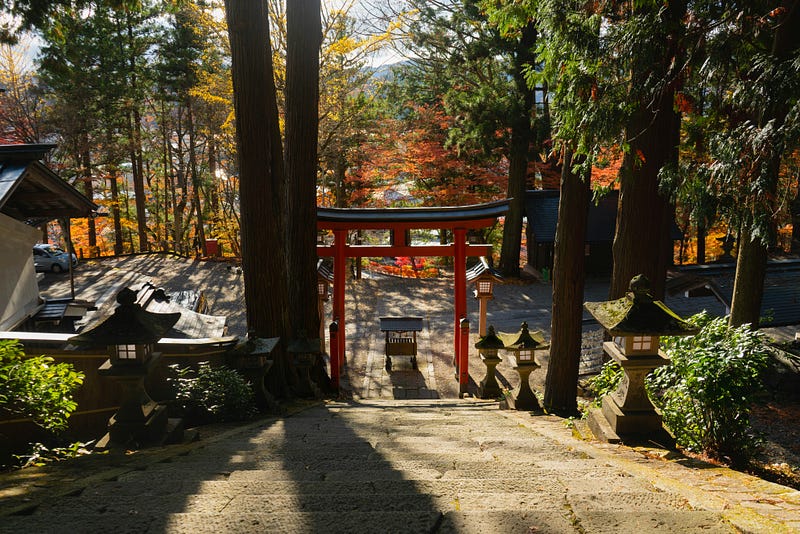
We all know how we’ve often talked about the pressure of staying fit, and how overwhelming it can feel with gyms, fitness influencers, and the ever-growing obsession with six-packs and calorie counting? Well, I recently came across something that has completely shifted my perspective, and I thought you might find it inspiring too. It’s about the way Japanese people approach fitness and health, and it’s fascinating.
“Walking Into Wellness: Lessons from Japan on Lifelong Fitness”
In India, much like the United States, fitness often feels like a competitive sport. From gym memberships to yoga classes and influencer-driven fitness challenges, it’s easy to feel intimidated or out of place. But Japan, a country renowned for its longevity and low obesity rates (just 4.3%, the lowest among high-income nations), has a refreshingly different take on staying fit. Surprisingly, most Japanese people don’t visit gyms, and fitness culture as we know it barely exists there.
In fact, a Rakuten Insight survey of 1,000 Japanese citizens aged 20 to 60 revealed that nearly half reported exercising only about once a month or not at all. The primary reasons? Lack of time or simply not enjoying exercise. Yet, their health statistics speak for themselves. So, what’s their secret?
A Lifestyle of Movement
For the Japanese, fitness isn’t about lifting weights or clocking 10km runs. It’s about weaving movement seamlessly into everyday life. Walking, in particular, is their magic formula. On average, Japanese adults walk 6,500 steps a day, with men aged 20–50 averaging nearly 8,000 steps and women in the same age group close to 7,000. This daily activity isn’t categorized as “exercise” but as a natural part of life.
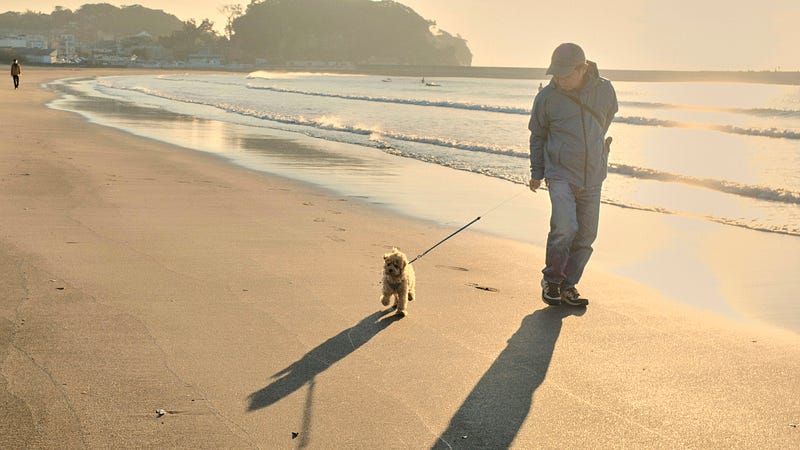
What’s even more fascinating is how communities like Nagano have embraced walking as a cultural norm. Once plagued by high stroke rates, Nagano transformed its health landscape by introducing over 100 walking routes. Today, it boasts some of the highest longevity rates in Japan. As Akira Sugenoya, the mayor of Matsumoto in Nagano, said, “The first thing we wanted was just to get people walking. Everyone can do that. You walk, you talk, you get exercise, and that helps build up a sense of community.”
The Role of Walkable Cities
Unlike us in India, where owning a car often feels like a necessity, many Japanese households don’t own cars. Public transportation is convenient, safe, and affordable, and cities are designed to be walkable. Whether it’s commuting to work, running errands, or meeting friends for dinner, walking is second nature.
It made me think of our own cities. While some parts of India, like old Delhi’s markets or Mumbai’s neighborhoods, still promote walking, the growing reliance on cars and bikes has made it less common. Imagine if we could design our lives to include more walking — wouldn’t it make fitness more accessible and less intimidating?
Health Beyond Gyms
Don’t get me wrong; gyms and structured workouts have their place. They boost mental and physical health, and I’m not advocating against them. But for people who find the gym culture overwhelming or simply can’t spare the time, Japan’s approach offers a liberating perspective.
It reminds me of a quote from Dan Buettner’s book, The Blue Zones: Lessons for Living Longer from the People Who’ve Lived the Longest: “Longevity is not something you pursue. It’s something you cultivate by living the right lifestyle.”
Bringing This Home
What if we embraced this Japanese philosophy here in India? Could we start walking to the nearby store instead of driving? Could we use public transportation more often or even take the stairs instead of elevators? Small, consistent changes can add up to a healthier lifestyle, without the guilt or pressure of “fitness culture.”
So, my dear friend, let’s take a leaf out of Japan’s book. Let’s walk more, move naturally, and enjoy the journey to better health — together. Maybe the next time we meet, we can take a long walk and talk about how we’re incorporating these little changes in our lives.
With love and steps,
