We’re Not Built for Chairs. That’s Why Your Back Hurts.

We’re Not Built for Chairs. That’s Why Your Back Hurts.
We’re Not Built for Chairs. That’s Why Your Back Hurts.
And no, aging isn’t the reason you’re slowing down. Giving up is.
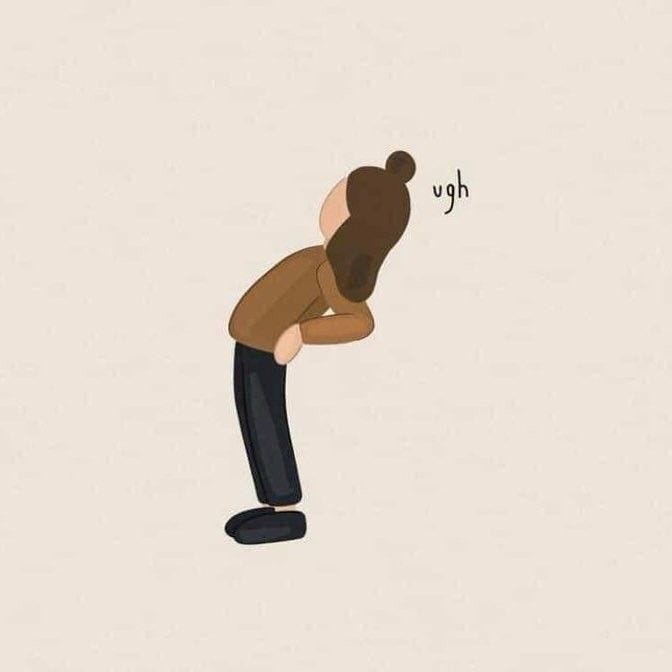
Let’s start with the obvious.
Your back hurts. Mine too sometimes. But the strangest thing is, back pain — especially lower back pain — has become so normal that we almost laugh it off. But here’s what isn’t funny:
Lower back pain is the single leading cause of disability in the world.
69 million people were affected in 2020, according to the WHO.
Read that again. It’s not a minor inconvenience. It’s a global epidemic.
And the craziest part? It’s mostly man-made. Or rather, lifestyle-made. We sit too much. We move too little. We’ve engineered comfort so efficiently that now our bodies are breaking down from it.
Tribal people don’t get back pain. Guess why?
There’s a tribe in Africa called the Hadza. Someone studied them — and not one of them reported chronic back pain. Want to know their secret?
They don’t sit on chairs.
They squat.
They move.
They don’t collapse into furniture for 10 hours a day like we do.
We’ve created a world where our core is relaxed all day, our spine unsupported, and our muscles under-stimulated. And then we act surprised when our back screams for help.
Weak muscles. Weak bones. Big problem.
Most back pain comes from one thing: muscle weakness. The kind that builds up silently over years of inactivity. Add to that bone compression (especially in women and older men), and the pain becomes chronic.
But don’t confuse it with nerve impingement — the kind that shoots pain like lightning down your leg. That’s different. That needs medical attention.
Regular back pain? It needs movement. Strength. Not pills. Not surgery.
Your desk job is aging you faster than time ever could.
70% of people don’t do any meaningful exercise. Not even a walk.
And we wonder why our backs hurt. We were never designed to sit in chairs all day. Yet that’s how we spend our entire adult life — emailing, Zooming, slouching.
The fix? It’s simple. Stand. Walk. Move.
Try standing desks. Try treadmill desks. Hold meetings while squatting against a wall (you’ll finish faster too).
Only sit when you’re solving world peace. The rest of life? Stay vertical.
Movement isn’t just for the body. It’s for the brain too.
Here’s a cool fact: if you walk while learning, you retain more.
Ever wonder why you remember a podcast better when you’re walking than sitting on your couch? It’s because movement stimulates the brain. Sitting doesn’t.
Our brains were designed to learn while moving. But modern life has flipped that on its head. And we’re paying the price.
Aging is not what you think it is.
There’s this common belief that after 40, we start going downhill. “It’s all part of getting older,” we say. But that’s not science. That’s surrender.
A study on master athletes proved it. The top runners in every age group — from 100 meters to 10,000 — didn’t slow down significantly until after 70.
At 50, a guy ran a mile in 4 minutes and 34 seconds.
At 70, another ran it in just under 7.
That’s not biology failing. That’s consistency winning.
So if you’re slowing down in your 40s or 50s, it’s probably not aging. It’s just that you stopped trying.
Women are being blindsided by biology — and no one’s talking about it.
Let’s talk about menopause. Actually, let’s shout about it.
When estrogen levels drop during menopause, something dangerous happens silently:
- Insulin resistance increases
- Fat shifts to the belly
- Metabolism slows
- Risk of diabetes and Alzheimer’s skyrockets
And if a woman’s already pre-diabetic before menopause, this transition can hit like a freight train.
The scariest part? Most women don’t know this. Most men definitely don’t.
Men, listen up — empathy is your responsibility too.
One of the most underrated things a man can do is educate himself about what women go through in midlife.
Your partner. Your mother. Your sister. Your colleague.
It’s not “mood swings.” It’s biology. And it needs empathy, not judgment.
Understanding how hormones shape behavior, mood, and memory could literally save your relationship. And in a world that loves to blame before it listens, a little empathy goes a long way.
So… when is it enough?
At the end of this conversation, a powerful question was asked:
How do you know when it’s enough?
The answer hit me hard:
“When you stop loving it. When it no longer feeds you. That’s when it’s enough.”
Not when you’re tired. Not when you’re scared. Not when it gets hard.
When the love is gone — that’s your sign.
Until then? You’ve got work to do. For your back. For your body. For your mind. For the people you love. And for the person you want to become.
