What Actually Changes in Your Body After 30 Days of Creatine

What Actually Changes in Your Body After 30 Days of Creatine
What Actually Changes in Your Body After 30 Days of Creatine
And what doesn’t ?
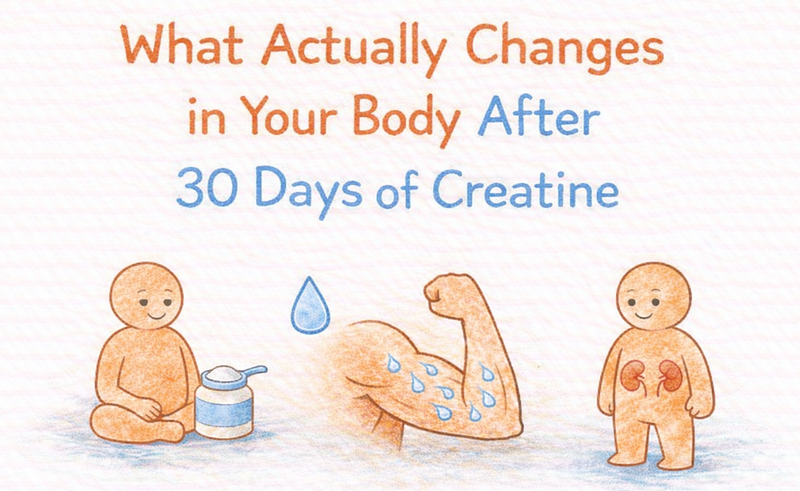
For a long time, I thought creatine would do something obvious.
Something I could feel clearly.
So when I finally took it, I kept waiting.
Day 5.
Day 10.
Day 20.
Nothing big happened.
And at first, that confused me.
If you’re still wondering whether creatine is safe at all,
kidneys, hair loss, long-term effects,
I’ve already broken that down calmly in another article.
(This one isn’t about safety.)
This one is about something else.
It’s about what actually changes in your body
after you’ve taken creatine for around 30 days
and just as importantly, what doesn’t.
Because most confusion around creatine
doesn’t come from danger.
It comes from expectations.
First, what “30 days” actually means
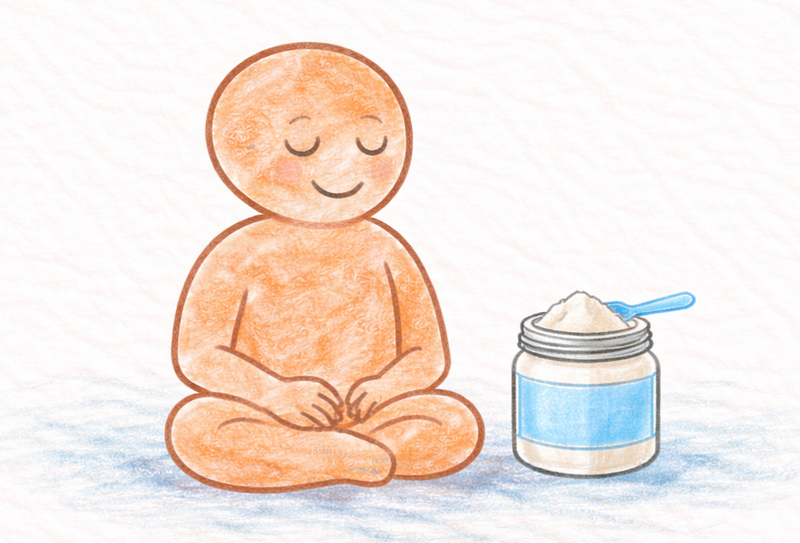
Creatine doesn’t work instantly.
It works by slowly filling up your muscles with something they already use phosphocreatine(It’s stored in muscle and brain cells, acting as a rapid energy buffer for demanding activities, lasting only a few seconds but crucial for explosive movements.).
That process takes time.
By around 3–4 weeks, most people reach what’s called muscle saturation.
That’s why 30 days matters.
Not because it transforms you.
But because by then, creatine is fully doing its job.
What actually changes after 30 days
1. Your muscles store more water (inside the muscle)
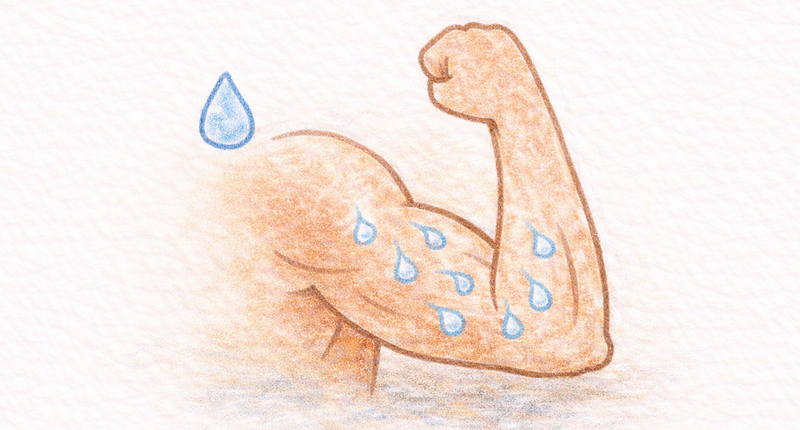
This is the first real change.
Creatine pulls a little more water into muscle cells.
Not under the skin.
Not bloating your stomach.
Inside the muscle.
That’s why:
- some people feel slightly “fuller”
- the scale might go up by 0.5–1.5 kg
This is not fat.
It’s not damage.
It’s hydration at the cellular level.
2. Short bursts of effort feel a bit easier
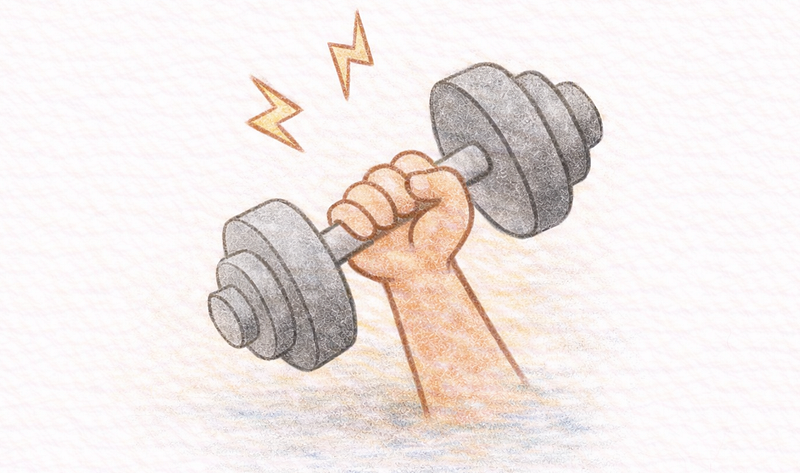
Creatine helps recycle energy during short, intense efforts.
So after 30 days, you might notice:
- one extra rep
- slightly more power
- less struggle at the end of a set
Not every workout.
Just… a little support.
That’s all it’s meant to do.
3. Recovery feels slightly better
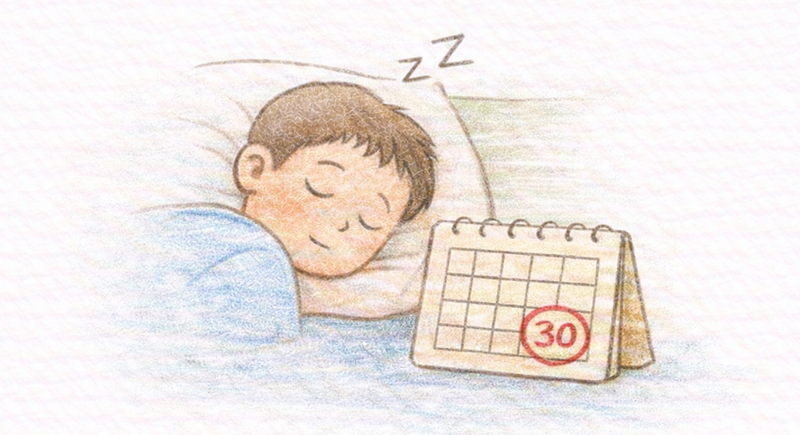
This part is subtle.
You don’t wake up “recovered”.
But over time, you may notice:
- less soreness
- feeling ready to train again sooner
- fewer days where your body feels completely drained
Creatine doesn’t replace sleep or food.
It just helps your muscles reset a bit faster.
4. Your confidence becomes calmer (this is underrated)
This surprised me.
Not because creatine boosts confidence chemically.
But because once you’ve taken it for 30 days and nothing bad happens, the fear drops.
You stop monitoring your body.
You stop overthinking every sensation.
That mental quiet is real.
Now, what does not change after 30 days
This part matters more.
1. Your body doesn’t transform
No sudden muscle growth.
No visible “creatine look”.
If your training and food stay the same,
your body stays mostly the same.
Creatine supports effort.
It doesn’t replace it.
2. You don’t lose fat because of creatine
Creatine does not burn fat.
If anything, the scale might go up slightly because of water.
So if someone expects fat loss from creatine,
they’ll feel disappointed ,not because creatine failed,
but because the expectation was wrong.
3. Your kidneys don’t “feel” anything
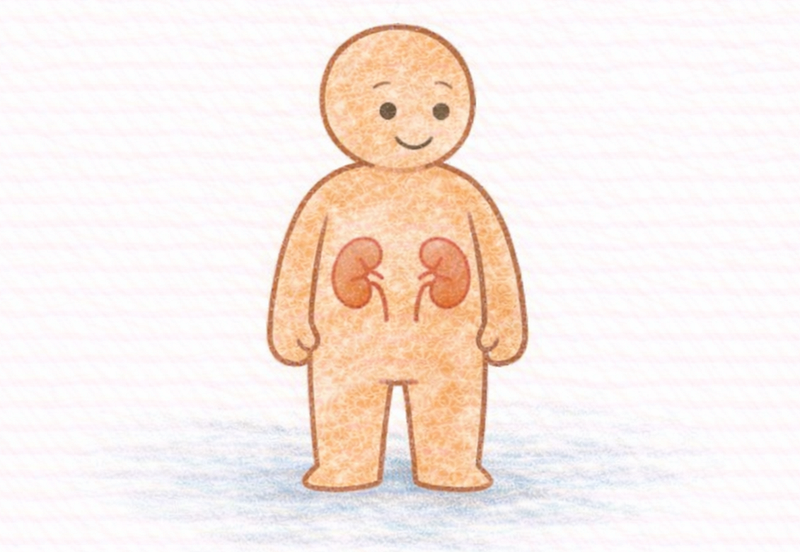
This is important.
Healthy kidneys don’t send warning signals.
They just do their job.
After 30 days, you don’t feel kidney stress.
You don’t feel internal strain.
If you’re healthy, creatine doesn’t announce itself.
That’s the point.
4. Your personality doesn’t change
You don’t become:
- more disciplined
- more aggressive
- more serious about fitness
Creatine doesn’t touch motivation.
If training felt hard before, it still does.
If you enjoyed it before, you still do.
Why people feel confused after 30 days
Because creatine is boring.
And boring doesn’t match the fear around it.
People expect:
- strong sensations
- obvious changes
- “feeling enhanced”
What they get instead is:
- quiet support
- subtle consistency
- nothing dramatic
That gap creates doubt.
After 30 days of creatine:
Your muscles are better prepared.
Your workouts may feel slightly easier.
Your recovery may feel smoother.
And that’s it.
Creatine doesn’t change who you are.
It doesn’t override your body.
It doesn’t push you into anything extreme.
It just helps your muscles do a job
they were already trying to do.
If that feels underwhelming,
that’s actually a good sign.
This story published on “Pen With Paper” — a fresh space where writers bring their thoughts, stories, and ideas to life. Want to share your voice? Join our community, and together, “We Elevate Your Stories”
