What ‘As Above, So Below’ Really Means”

What ‘As Above, So Below’ Really Means”
What ‘As Above, So Below’ Really Means”
Unlock the Ancient Wisdom Connecting the Universe and Your Inner World
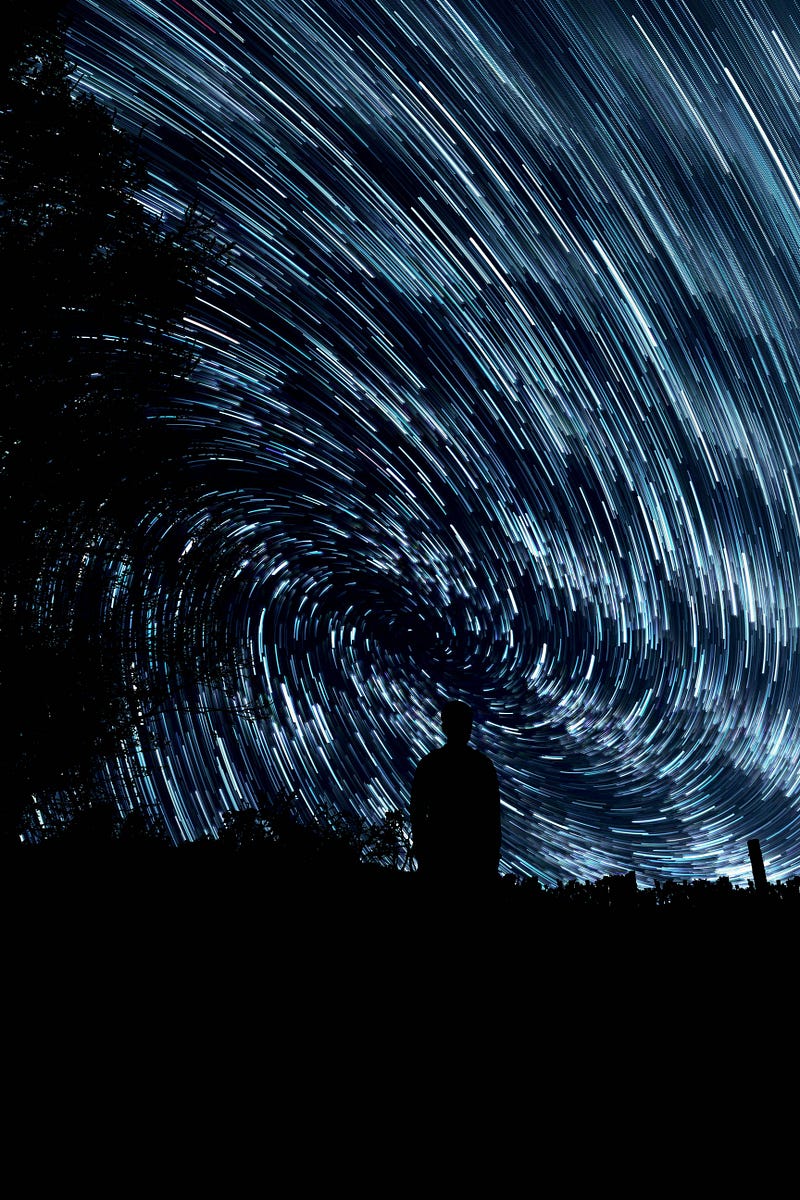
Have you ever wondered if there’s a hidden connection between the stars above and the thoughts in your mind? It’s a mind-bending idea, but it’s at the heart of the ancient Hermetic principle: As above, so below; as within, so without. Let’s break it down and see how this timeless wisdom could completely change the way you see yourself and the world.
What Is the Principle of Correspondence?
The Principle of Correspondence is one of the Seven Hermetic Principles, foundational teachings of Hermeticism, an ancient spiritual philosophy. At its core, this principle says that the patterns we see on a grand scale — in the cosmos, nature, or society — mirror the patterns we find on smaller scales, including our thoughts and emotions.
In simple terms, it means that everything is interconnected. The same laws that govern galaxies also govern atoms, and the same forces shaping the external world are at play within you.
How Does It Work?
- The Macrocosm and Microcosm Connection
The universe (macrocosm) and the individual (microcosm) are reflections of each other. For example, ancient mystics often compared the human body to the cosmos, noting parallels like the orbiting electrons in an atom resembling planets orbiting a star. - Inner World Mirrors Outer World
Your thoughts and emotions influence your reality. A chaotic mind often leads to a chaotic life, while inner peace creates harmony in your external world. - Patterns Everywhere
From the spirals in galaxies to the patterns of your fingerprints, similar structures repeat at all levels of existence. Scientists studying fractals and chaos theory have even discovered that complex systems often share the same geometric patterns, regardless of their scale. Learn more about fractals.
Everyday Examples of the Principle
- Nature’s Mirrors: Think about the branching of trees, rivers, and lightning bolts. They’re remarkably similar to the branching patterns of blood vessels or neurons in your brain.
- Human Emotions and Social Dynamics: Ever notice how your mood influences the energy of a room? It’s the principle of correspondence in action — your inner state affects the external environment.
- The Law of Attraction: Many self-help teachings build on this principle, suggesting that your inner thoughts and feelings shape the circumstances you attract into your life.
How Can This Change Your Life?
Understanding and applying the Principle of Correspondence can:
- Empower You: Realize that by changing your inner world, you can influence your external reality. Want a better life? Start with better thoughts.
- Create Balance: When you understand that the outer chaos mirrors inner chaos, you’ll prioritize inner peace to bring harmony to your life.
- Deepen Your Connection to the Universe: Recognize that you’re not separate from the universe; you’re an integral part of it.
Scientific Parallels
Modern science often validates this ancient wisdom:
- Quantum Mechanics: Particles are interconnected through quantum entanglement, reflecting the idea of universal unity.
- Fractals: These mathematical patterns repeat on every scale, showing that the structure of a fern leaf mirrors the structure of the entire plant.
- Holographic Theory: Some scientists suggest that every part of the universe contains the whole, much like a hologram. Explore the holographic universe theory.
Final Thoughts
If the Principle of Correspondence is true, it offers a profound insight: You are not separate from the world around you. You are the world. Whether you’re looking at the stars or into your own heart, the same patterns, principles, and forces are at work.
So, next time you feel out of sync with life, remember: as above, so below. Realigning your inner world might just be the key to transforming your outer world.
What do you think about this ancient principle? Let me know in the comments! And if you’re curious to dive deeper into Hermetic philosophy, check out this detailed resource on Hermeticism.
