Why Daylight Is the Secret to Great Sleep

Why Daylight Is the Secret to Great Sleep
Why Daylight Is the Secret to Great Sleep.
Fixing Your Sleep Starts in the Morning — Not at Night!
Have you ever gone on a morning hike or taken a tour early in the day, only to feel physically exhausted by night and sleep like a baby?
You probably think it’s just the physical activity or the fresh air that gave you that deep, restful sleep.
But here’s the real secret — daylight exposure plays a crucial role in how well you sleep at night.
Let me tell you why.
Daylight isn’t just important for our health — it’s directly linked to the quality of our sleep.
Your Body’s Internal Clock Depends on Light
Every cell in your body has a tiny internal clock. These millions of clocks work together, controlled by a master clock in your brain, located in the hypothalamus. This master clock tells your body what time of day it is, ensuring different biological processes happen in sync.
That’s why your body naturally warms up in the morning and cools down at night. It’s also why certain hormones — like cortisol in the morning and melatonin at night — are released at just the right times to keep you alert or make you feel sleepy.
Your Eyes Are Built to Sense Daylight
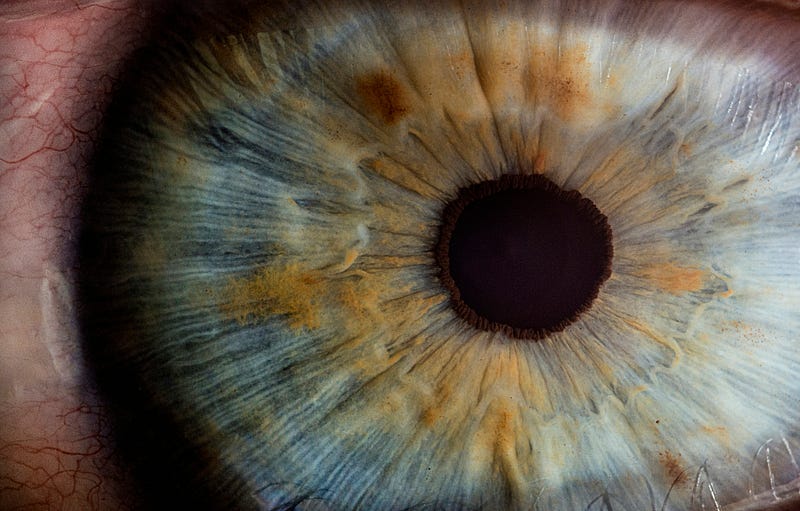
Did you know your eyes have special light receptors that don’t help you see but instead help regulate your sleep cycle?
Your retina contains rods and cones — cells responsible for vision. But in the early 2000s, scientists discovered another type of cell called retinal ganglion cells.
These don’t contribute to vision but are specifically designed to detect daylight, particularly blue light. They send signals to your brain’s master clock, helping it stay in sync with the natural day-night cycle.
The problem? Most of us spend our days indoors, under artificial lighting that doesn’t compare to natural daylight. Our bodies evolved to function in outdoor light, and missing out on it disrupts our internal clock — making it harder to sleep at night.
How Much Daylight Do You Need?
There’s no exact answer, but as a general rule, try to get at least 30 minutes of daylight exposure each day — preferably in the morning. The more, the better.
The Missing Link in Your Sleep Routine
We often blame stress, screen time, or caffeine for poor sleep, but we rarely consider how much natural light we’re getting. Think about it — when was the last time you spent a full morning outdoors? When did you last soak in the sun for more than just a few minutes while rushing between buildings?
Most of us start our days in dim indoor lighting, work under artificial bulbs, and then stare at screens until bedtime. Our brains are confused. They don’t know when it’s truly daytime and when it’s time to wind down.
But here’s the good news — fixing this is simple. You don’t need expensive supplements, fancy sleep gadgets, or complicated bedtime rituals. You just need to step outside. Go for a morning walk. Have your coffee by the window. Take your lunch break outdoors. Let your body reconnect with the rhythm it was designed for.
Try it for a week. Get more daylight in the morning, and see how your sleep transforms. You might be surprised how something as simple as stepping outside can be the missing piece to better rest, more energy, and a healthier life.
This article is inspired from this TED talk.
