Women Don’t Cry and Birds Don’t Fly

Women Don’t Cry and Birds Don’t Fly
Women Don’t Cry and Birds Don’t Fly
How Society Trains Us to Suppress Emotions
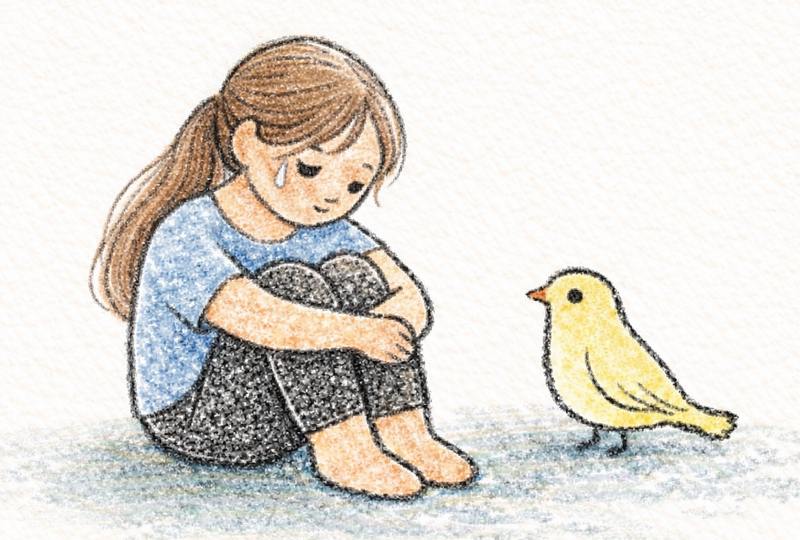
There is something we all learn very early in life.
Not through lessons.
Not through rules written anywhere.
We learn it through reactions.
When a child cries, people watch.
When a child laughs too loudly, people correct.
When a child gets angry, people interrupt.
Slowly, we understand something without being told.
Some emotions are allowed.
Some are tolerated.
Some are inconvenient.
So we begin editing ourselves.
The First Lesson We Learn About Emotions
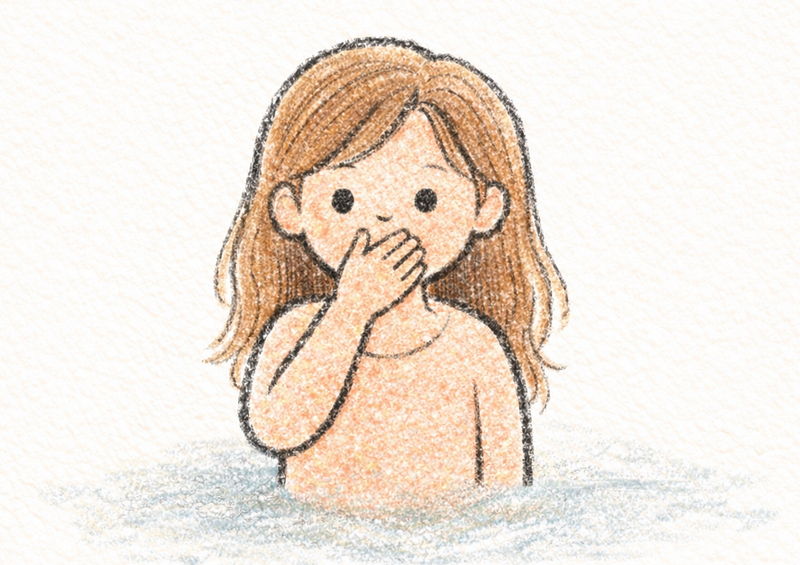
No one explains emotions to us.
Instead, we are trained by discomfort.
If an emotion makes others uncomfortable,
we are asked to stop.
If an emotion is hard to handle,
we are told to control it.
Crying becomes embarrassing.
Anger becomes dangerous.
Sensitivity becomes weakness.
We don’t stop feeling.
We just stop showing.
“Women Don’t Cry”
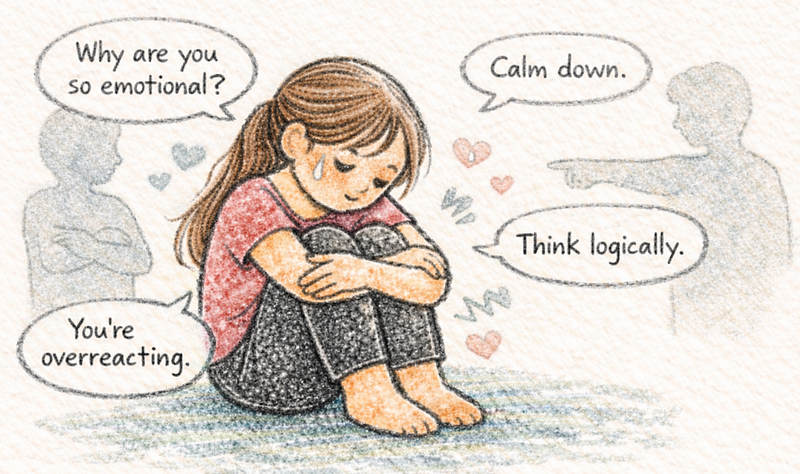
This sentence is rarely said out loud.
It is said in softer ways.
“Why are you so emotional?”
“You’re overreacting.”
“Calm down.”
“Think logically.”
Women are allowed to feel.
but only in controlled doses.
Sadness is acceptable if it is quiet.
Anger is acceptable if it is justified.
Pain is acceptable if it does not inconvenience anyone else.
A woman who cries too much becomes unstable.
A woman who gets angry becomes difficult.
A woman who sets boundaries becomes cold.
So many women learn this lesson early:
If I want to be accepted,
I must make my emotions smaller.
Not disappear.
Just manageable.
Men Learn a Different Silence
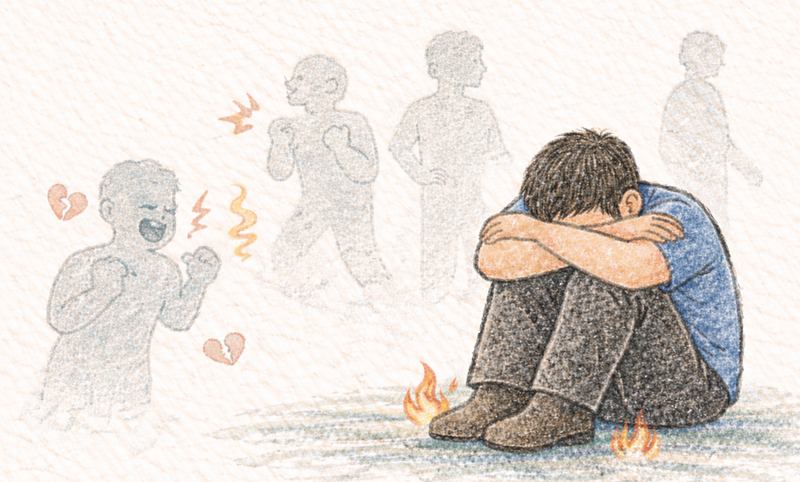
Men are trained too.
Just differently.
They are taught that:
- sadness is weakness
- fear is failure
- vulnerability is exposure
So they translate emotions instead of expressing them.
Sadness becomes anger.
Fear becomes control.
Loneliness becomes distance.
A man who cries is told to “man up.”
A man who opens up is told to “move on.”
So he doesn’t stop feeling.
He stops naming what he feels.
What Suppression Actually Does
“What you resist, persists.” — Carl Jung
What we push away doesn’t disappear.
Ignored sadness doesn’t leave the body.
It waits.
Unexpressed anger doesn’t calm down.
It finds another place to live.
The more we resist certain emotions,
the more stubborn they become.
Not louder at first.
Just heavier.
Suppression doesn’t solve emotions.
It only changes their shape.
Anxiety is often sadness that was never allowed.
Bitterness is often anger that had nowhere to go.
Numbness is often emotion that got tired of being ignored.
“You’re Too Sensitive”
“If we don’t name our feelings, they don’t get smaller. They get louder.” — Brené Brown
When someone says, “you’re too sensitive,”
they are not really talking about your reaction.
They are questioning your experience.
They are telling you not to trust what you feel.
And when emotions are not named,
they don’t disappear.
They grow.
Not because we feel too much,
but because we don’t understand what we’re feeling.
Clarity doesn’t come from suppressing emotion.
It comes from acknowledging it.
Birds Don’t Fly
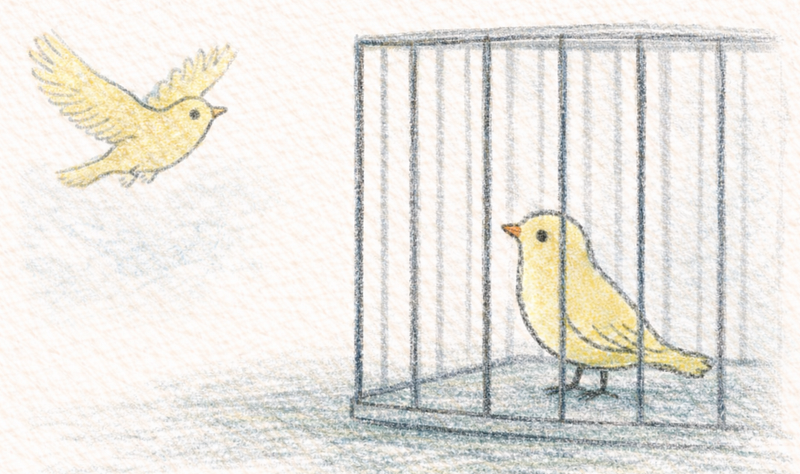
Birds are born knowing how to fly.
They don’t need confidence.
They don’t need motivation.
They need space.
Emotions are the same.
They are meant to move.
But imagine a world where flying is inconvenient.
Where wings are considered dangerous.
Where stillness is praised as maturity.
That’s what we do to emotions.
We don’t destroy them.
We cage them.
“Let everything happen to you: beauty and terror.
Just keep going. No feeling is final.” — Rainer Maria Rilke
We suppress emotions because we are afraid they will last forever.
But no feeling does.
Emotions rise.
They peak.
They fall.
What stays stuck is not the emotion itself.
It is our resistance to it.
Like birds kept indoors long enough to forget the sky,
we forget what emotional movement feels like.
We Confuse Control With Health
Society loves emotional control.
Calm people are praised.
Composed people are trusted.
Emotionless people are called strong.
But control is not the same as health.
A glass bottle looks calm.
Until it shatters.
A pressure cooker looks quiet.
Until it explodes.
Suppressing emotions doesn’t make us strong.
It makes us fragile in invisible ways.
When the Body Speaks Instead
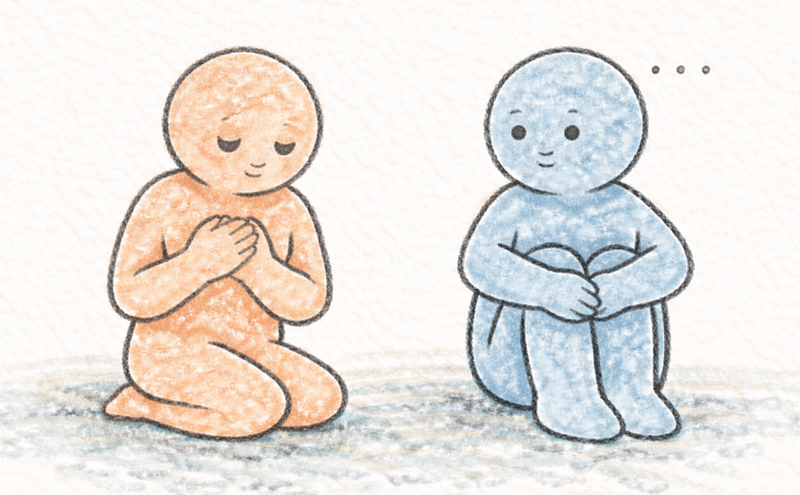
“When we have been prevented from learning how to say no, our bodies may end up saying it for us.” — Gabor Maté
Many people who look calm are not calm at all.
They are simply practiced at silence.
When emotions are ignored for too long,
the body steps in.
Through exhaustion.
Through tension.
Through numbness.
Not as punishment.
But as protection.
We Suppress Joy Too
It’s not just sadness or anger.
We suppress joy as well.
Don’t celebrate too early.
Don’t get too excited.
Don’t be too happy.
Joy makes us visible.
Joy makes us hopeful.
Joy makes us vulnerable to loss.
So we learn to keep happiness small.
Even joy must be controlled.
Suppression Looks Like Maturity
That’s the trick.
People who don’t react are called grown up.
People who don’t complain are called easy.
People who endure quietly are praised.
So we reward silence.
We reward endurance.
And then we wonder why so many adults feel empty.
The Cost Appears Later
Suppression works for a long time.
Years, sometimes decades.
Until one day:
- you don’t know what you feel
- you don’t know what you want
- you don’t know why you’re tired
You are functional.
Responsible.
Doing everything right.
But something feels missing.
Often, that missing thing is unfelt emotion.
Crying Is Not the Problem
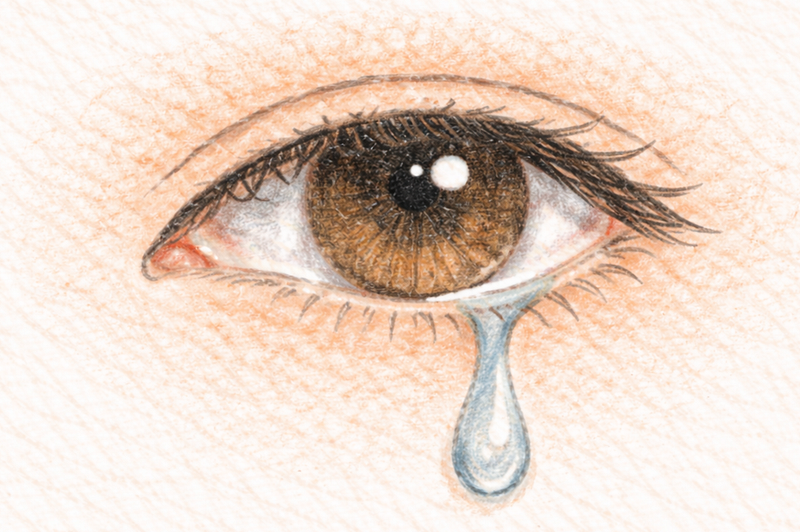
Crying is not weakness.
Crying is release.
Crying is the body saying,
“This is too much to carry alone.”
Babies cry because they haven’t learned shame yet.
Adults stop crying because they have.
Relearning What We Unlearned
Healing is not becoming emotionless.
Healing is becoming honest.
It is saying:
“I’m angry.”
“I’m sad.”
“I’m overwhelmed.”
“I’m happy.”
Without apologising.
Without explaining.
Without shrinking.
It feels uncomfortable at first.
Because freedom always does.
The Truth
Society didn’t train us to suppress emotions because emotions are bad.
It trained us because emotions are powerful.
They slow us down.
They make us question.
They make us honest.
And honesty is inconvenient.
Ending
Women don’t cry.
Birds don’t fly.
Not because they can’t.
But because they were taught not to.
And sometimes, the bravest thing you can do
is let yourself feel
what you were trained to hide.
If this article made you pause,
or feel seen,
or think about your own quiet emotions.
You can leave a comment.
I read them carefully.
If you reached this far, thank you for reading.
If this article helped you feel a little clearer,
or a little less alone with your emotions,
you can support my writing by buying me a coffee ☕
No pressure.
Just a quiet way to say “this mattered.”
And if you’re curious about the thinking behind these pieces
the half-formed ideas, the books I’m reading,
and the questions that don’t always turn into articles.
you can become a member.❤️❤️
- Members support the writing directly
- get early access to my new writings and
- get access to notes, reflections, and occasional behind-the-scenes thoughts that don’t always belong on the main page.
Whether you clap, comment, share, support, or simply read.
I’m grateful you’re here.
