The $1 Meal That Beats Every Expensive Superfood

The $1 Meal That Beats Every Expensive Superfood
The $1 Meal That Beats Every Expensive Superfood
The wellness industry built a billion dollar business convincing you that health is expensive. It isn’t.
Walk into any health store today and look around.
Ashwagandha capsules. Collagen powder. Matcha from a specific mountain in Japan. Adaptogenic mushroom blends with names you cannot pronounce. Protein bars that cost more than a full meal. Green powders that promise to replace vegetables you could buy for fifty cents.
All of it expensive. All of it beautifully packaged. All of it quietly suggesting the same thing.
That health is something you purchase.
How the Superfood Industry Actually Works

Nobody in the wellness industry is selling you nutrition.
They are selling you the feeling of doing something right. The psychological comfort of choosing something that looks serious, sounds scientific, and feels like an investment in yourself.
That feeling is real. The premium it commands is not always justified.
A product gets labeled a superfood and the price triples overnight. Not because the nutritional profile changed. Because the story around it changed. Because someone with a large audience called it life changing and suddenly everyone needed it immediately.
This is not nutrition science.
This is marketing wearing a lab coat.
What Superfoods Actually Promise
Every superfood makes a version of the same promise.
Extraordinary results from a single source. One powder, one pill, one ancient ingredient that unlocks something your ordinary diet was missing. Something the healthiest people discovered that everyone else hasn’t caught up to yet.
The promise is always slightly out of reach. Always requiring the next product, the next upgrade, the next thing your current routine is missing.
The superfood industry doesn’t profit from you feeling complete. It profits from you feeling almost there.
The $1 Meal Nobody Is Talking About
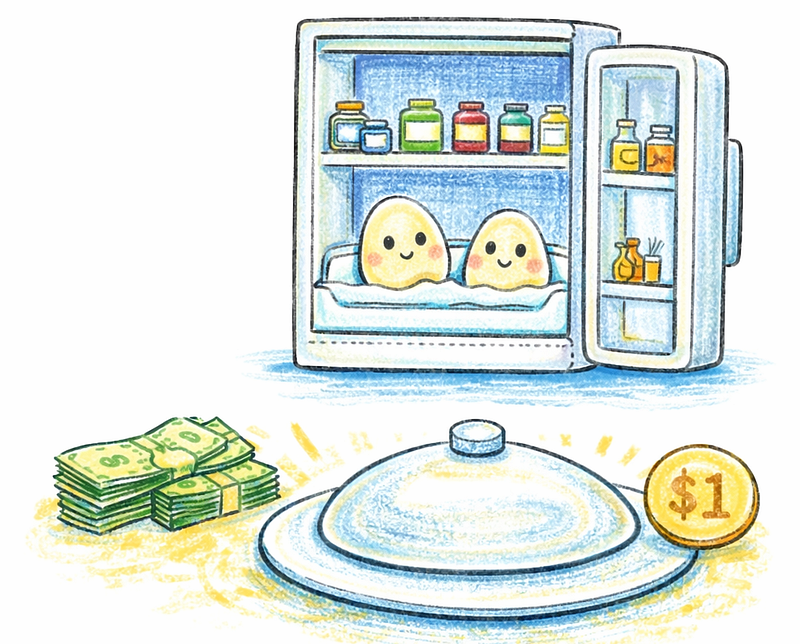
Two eggs.
That is it.
Not exotic. Not imported. Not cold pressed or adaptogenically enhanced or sourced from a specific altitude.
Just eggs. The most ordinary food in most kitchens. The thing sitting quietly in the refrigerator while expensive powders line the counter beside it.
Two eggs cost roughly one dollar and maybe less than that , depending on where you live. They take less than five minutes to prepare. They require no special knowledge, no recipe, no optimal timing window.
And nutritionally, they are almost unreasonably complete.
The most boring item in the kitchen is quietly one of the most powerful foods in the world.
What Two Eggs Actually Contain
This is the part the wellness industry would rather you didn’t think about too carefully.
Two eggs contain high quality complete protein with all nine essential amino acids. They contain choline — critical for brain function and largely absent from most modern diets. They contain lutein and zeaxanthin, which protect eye health. They contain vitamin D, vitamin B12, selenium, and healthy fats that support hormone production.
They contain more bioavailable nutrition per rupee, per dollar, per any currency , than almost any superfood on the market.
The collagen powder on your counter? Eggs support collagen production naturally. The expensive brain supplement? Choline in eggs does more for cognitive function than most nootropics with a fraction of the evidence.
You didn’t need the expensive version. You needed to look more carefully at what was already there.
The Friction Problem Again
Here is what actually separates foods that work from foods that don’t.
Not the nutritional profile. Not the source. Not the price.
Consistency.
The most nutritious food in the world produces zero benefit if you don’t eat it regularly. And you won’t eat it regularly if preparing it requires effort, planning, special equipment, or motivation you don’t always have.
Eggs survive every condition.
No motivation. No plan. No recipe. Empty fridge with nothing else available. Tired evening with no energy to cook. Early morning with no time to think.
Eggs are still there. Still fast. Still working.
That is not a small thing. That is the entire game.
Why Expensive Feels More Effective
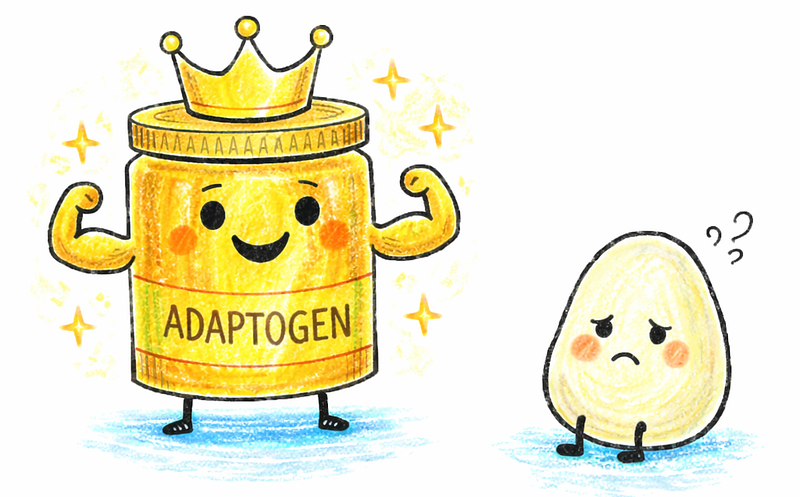
There is a well documented psychological phenomenon at work here.
When something costs more, the brain assumes it works better. This is not irrational, price is often a genuine signal of quality in many areas of life. The brain applies that logic automatically, even when it doesn’t apply.
A $60 adaptogenic powder feels serious. It feels like a commitment. It feels like the kind of thing a disciplined, health conscious person invests in.
A $1 egg feels ordinary. It feels like something everyone already has. It feels like it cannot possibly be the answer because the answer is supposed to be harder to find than this.
But the body doesn’t read price tags. It reads nutrients.
The People Who Never Needed the Supplement Aisle

Look at the longest living populations in the world.
The communities in Sardinia, Okinawa, and rural Greece that researchers have studied for decades trying to understand extraordinary longevity. The people consistently living past ninety with clear minds and functional bodies.
None of them built their health on supplement stacks or superfood powders.
They built it on simple, whole, inexpensive foods eaten consistently over a lifetime. Eggs. Legumes. Vegetables. Olive oil. Food that required no marketing to exist.
Longevity was never hiding behind an expensive label. It was hiding in plain sight in an ordinary kitchen.
What the Wellness Industry Gets Right
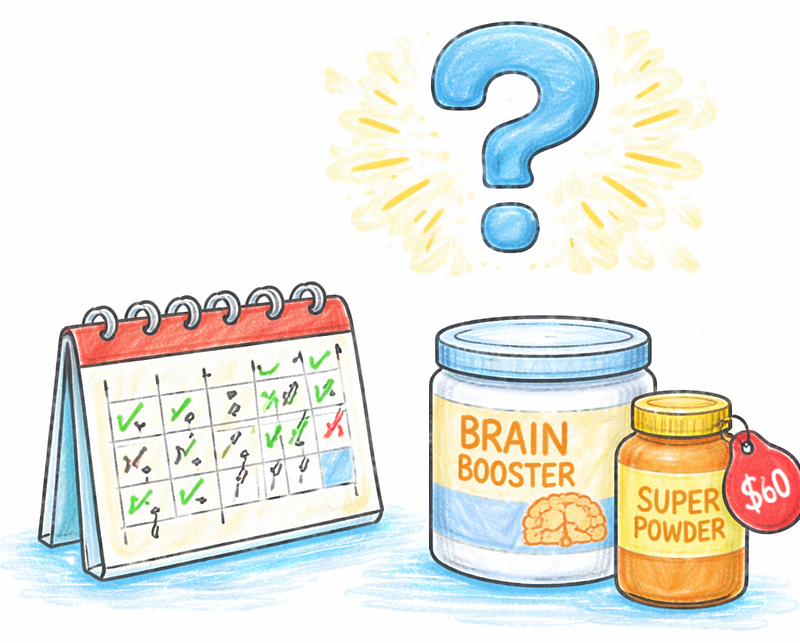
This is not an argument that everything expensive is useless.
Some supplements fill genuine gaps. Some products solve real problems for specific people with specific needs. The industry is not entirely built on fiction.
But the foundation of health .The base that everything else should be built on does not require a large budget. It requires consistency with simple things that have worked for as long as humans have existed.
Get the foundation right first. Then decide if the extras are actually adding anything.
The Uncomfortable Calculation
Most people spending heavily on wellness products are doing so on top of an inconsistent foundation.
Expensive protein powder but irregular sleep. Collagen supplements but chronic dehydration. Adaptogenic blends but skipped meals and high stress and no movement.
The product cannot compensate for the foundation.
Two eggs eaten every morning for a year will do more for your health than twelve months of inconsistent supplementation on top of an unreliable base.
The boring math of consistency always beats the exciting math of optimization.
A Quiet Thought

The wellness industry grew large by making people feel like their ordinary lives were nutritionally insufficient. Like the food their grandparents ate was somehow not enough. Like health required expertise, investment, and access to things that only recently became available.
But the healthiest people most of us have ever personally known , the grandparent who lived to ninety five, sharp and functional, didn’t know what adaptogens were.
They just ate real food. Simply. Consistently. Without overthinking it.
The secret was never a secret. It was just quiet.
The Real Question
Before the next supplement purchase, before the next expensive powder gets added to the cart, one honest question is worth asking.
Am I buying this because my foundation is solid and I genuinely need the extra?
Or am I buying this because it feels like progress and progress is supposed to feel like spending?
Health that lasts is built on what you do every single day without thinking about it.
Not on what you buy when you feel motivated.
If this made you look differently at the most ordinary thing in your kitchen. That shift in perspective is worth more than anything in the supplement aisle.
Before You Go
If essays like this interest you , questioning ordinary things most of us never stop to examine , that’s mostly what I enjoy writing about.
Simple ideas hiding in plain sight, quiet habits shaping our lives and strange psychological patterns behind everyday behavior.
Some of these ideas stay as short articles.
Others grow into small books where I explore these topics more deeply things like attention, burnout, health habits, and the hidden logic behind simple choices.
I also share longer reflections and experiments through my membership, where I write more freely about thinking, discipline, and the patterns quietly running modern life.
And if this article made you look at something ordinary a little differently, you can also buy me a coffee.
It’s a small way to support the writing and help me keep exploring these ideas.
No pressure.
Just appreciation.
Besides, if two eggs can beat most superfoods…there’s a good chance coffee beats most productivity hacks. ☕
Edited for Write A Catalyst by Wandering Mind
