Why We Keep Googling Things We Already Know

Why We Keep Googling Things We Already Know
Why We Keep Googling Things We Already Know
It’s not curiosity. It’s reassurance.
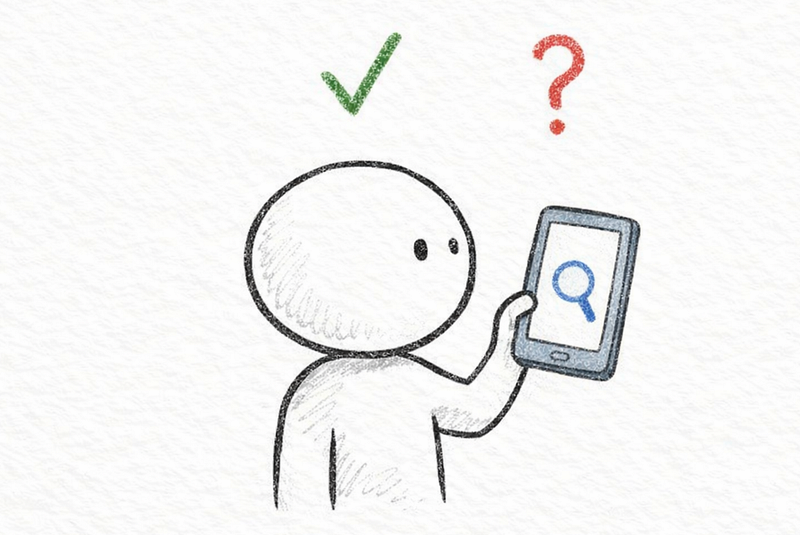
If you’ve ever caught yourself doing this, you’re not alone.
You Google something
even though you already know the answer.
You search again.
You scroll more.
Not because you don’t know.
But because you want to feel sure.
That first moment feels harmless.
But here’s where things quietly go wrong.
Googling feels safer than asking people
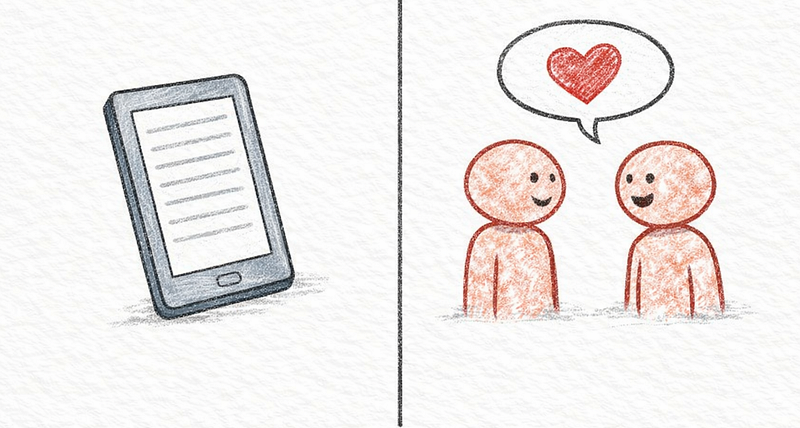
When you Google, nothing pushes back.
No one asks follow-up questions.
No one notices your tone.
No one sees your hesitation.
Google doesn’t say:
“Why are you worried?”
“Are you actually okay?”
It just gives information.
That feels efficient.
But it removes something important.
Information is not understanding
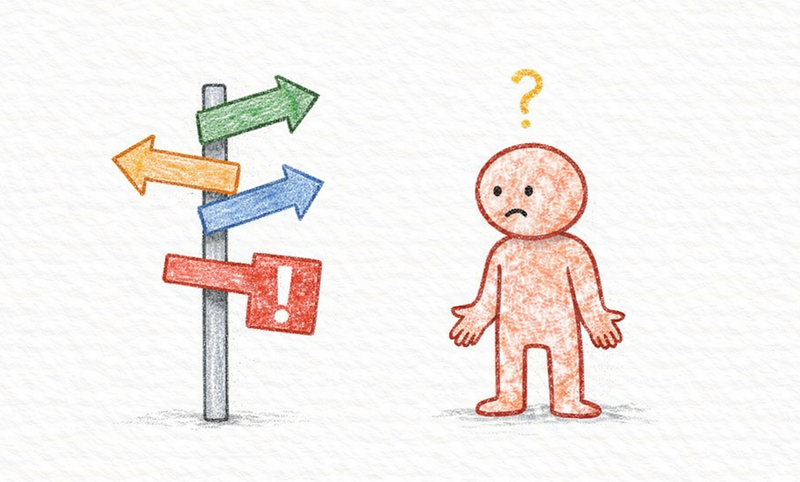
Google gives answers.
People give context.
A human can say:
“I went through this.”
“It felt scary at first, but it passed.”
“Here’s what actually mattered.”
Google can’t see you.
It doesn’t know:
- your history
- your patterns
- your emotional state
So it treats every question as equal.
That’s where it can mislead.
Reassurance without feedback can be dangerous
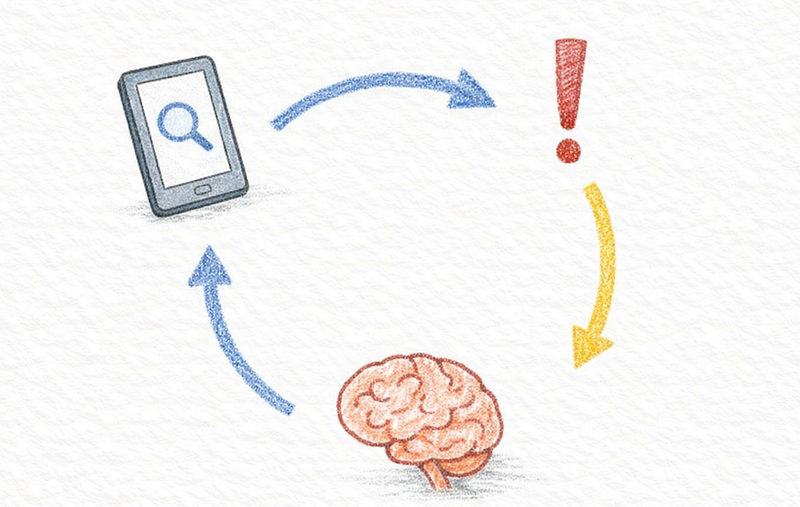
When you keep Googling:
- you don’t get corrected
- you don’t get challenged
- you don’t get grounded
You can:
- overestimate risks
- underestimate simple explanations
- convince yourself something is wrong
Not because you’re foolish.
But because unchecked reassurance loops back into anxiety.
This is why it can harm real conversations
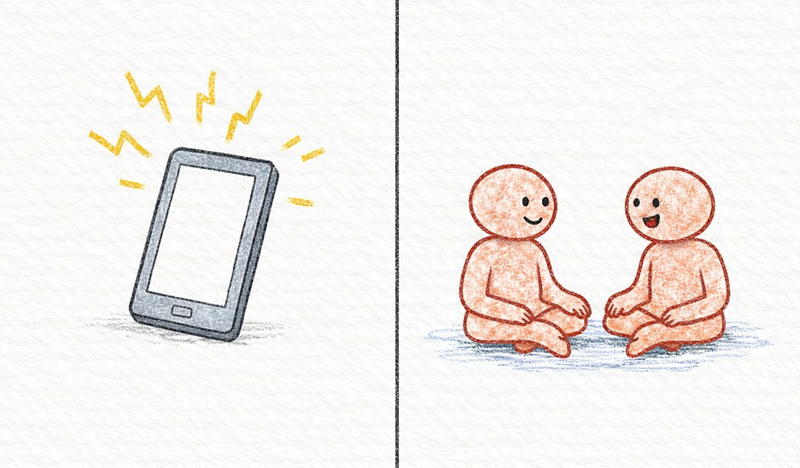
The more we Google,
the less we practice talking.
So when we finally speak to someone:
- we already think we know the answer
- we’re less open
- we’re more defensive
Conversations become:
“I read that…”
instead of
“I’m not sure, can we talk about this?”
Google makes us informed.
People make us human.
Why people are more reliable than Google
Not smarter.
More situational.
A person can notice:
- fear behind your question
- repetition in your worries
- when you’re spiraling
They don’t just answer.
They respond.
That feedback loop matters.
So what’s the balance?
This isn’t:
“Don’t Google.”
And it’s not:
“Trust yourself blindly.”
It’s this:
Use Google for facts.
Use people for meaning.
Google can tell you what something is.
People help you understand what it means for you.
The quiet habit worth rebuilding
Before searching again, ask:
“Is this a fact question
or a reassurance question?”
If it’s reassurance,
Google will only half-help.
A conversation will help more.
We Google because it’s fast and quiet.
But clarity often comes from being heard,
not from being informed.
Sometimes the most accurate answer
isn’t on a screen.
It’s in a conversation you’ve been avoiding.
If this article saves your time or cleared your confusion,
you can buy me a coffee here ☕
